







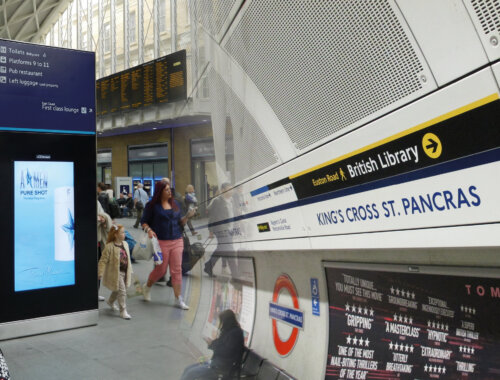

The Importance of Wayfinding in Rail Infrastructure
Modern rail networks are becoming increasingly complex. With growing passenger numbers, multi-modal transport interchanges, expanded station environments, and evolving accessibility requirements, effective wayfinding has become one of the most critical components of successful rail infrastructure.
For passengers, the ability to move through a station quickly, safely, and confidently can define the entire journey experience. For operators, well-designed wayfinding systems improve operational efficiency, reduce congestion, enhance accessibility, and support overall passenger satisfaction.
Across rail, underground, tram, and light rail environments, wayfinding is no longer simply about directional signage, it is a fundamental part of creating connected, user-focused transport infrastructure.
Modern rail wayfinding systems must combine clarity, consistency, durability, and compliance with stringent transport standards to support millions of passenger journeys every day.
Why Wayfinding Matters in Rail Environments
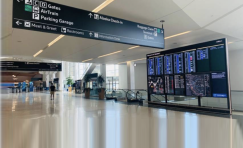
Rail stations are high-pressure environments where passengers often make rapid decisions under time constraints. Clear wayfinding signage reduces uncertainty and allows passengers to navigate spaces efficiently without confusion or unnecessary stress.
Effective wayfinding signage systems help passengers:
- Locate platforms quickly
- Identify entrances and exits
- Navigate interchanges
- Access ticketing facilities
- Find lifts, escalators, and accessible routes
- Locate retail and passenger amenities
- Respond effectively during service disruptions
Without clear guidance, stations can quickly become congested, disorganised, and frustrating for passengers.
As rail networks expand and passenger volumes continue to grow, intuitive navigation systems are becoming increasingly essential for maintaining smooth passenger flow and operational performance.
Improving Passenger Confidence and Reducing Stress
For many passengers, particularly tourists, infrequent users, elderly passengers, or those with accessibility needs, navigating large rail stations can feel intimidating.
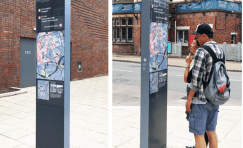
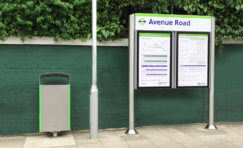
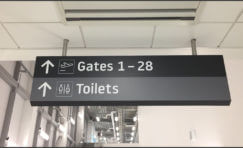
Wayfinding provides reassurance throughout the journey by creating a clear, predictable navigation experience. Consistent signage, recognisable symbols, readable typography, and strategically positioned information points help passengers move confidently through unfamiliar environments.
Research into transport psychology consistently shows that uncertainty is one of the biggest contributors to travel stress. Clear wayfinding reduces cognitive overload and improves overall passenger comfort, particularly during busy travel periods.
In transport hubs where thousands of people move simultaneously, clarity directly contributes to a calmer and more positive passenger experience.
Supporting Accessibility and Inclusive Transport
Inclusive transport infrastructure depends heavily on accessible wayfinding systems.
Modern rail signage must support passengers with varying physical, sensory, and cognitive needs through:
- Clear typography and contrast
- Consistent symbols and pictograms
- Tactile information systems
- Audible passenger information
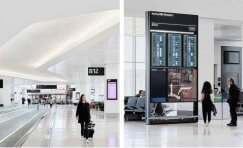
- Accessible digital displays
- Step-free route guidance
- Multilingual support where appropriate
The goal of accessible wayfinding is not simply compliance; it is ensuring that every passenger can travel independently and confidently.
Enhancing Operational Efficiency
Wayfinding is not only beneficial for passengers, it also improves station operations.
Poor navigation systems often lead to:
- Passenger bottlenecks
- Missed connections
- Increased staff intervention
- Platform overcrowding
- Delays during peak travel periods
Well-planned signage and passenger information systems distribute passenger movement more evenly throughout stations, helping reduce congestion and improve circulation.
Clear directional systems also reduce the need for passengers to seek assistance from station staff, allowing operational teams to focus on safety and service delivery.
In complex interchange environments, effective wayfinding can significantly improve passenger throughput and station efficiency.
The Growing Role of Digital Wayfinding
Digital technology is transforming rail wayfinding infrastructure.
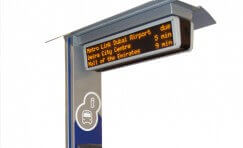
Modern passenger information systems increasingly integrate:
- Digital service information
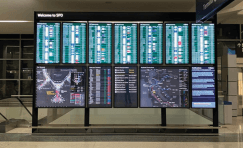
- Dynamic platform updates
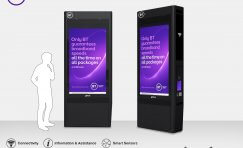
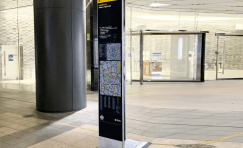
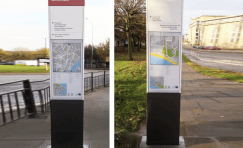
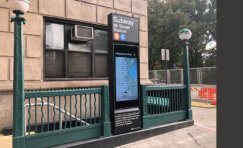
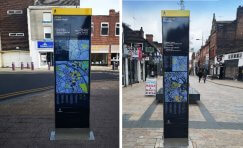
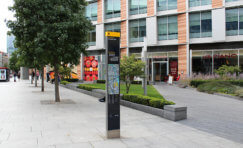
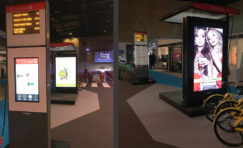
- Interactive kiosks
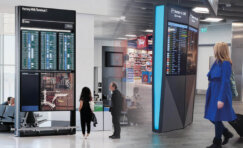
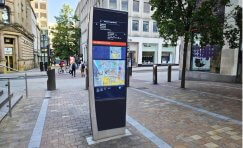
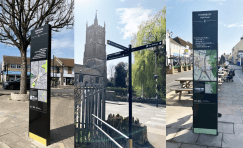
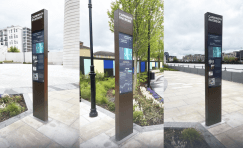
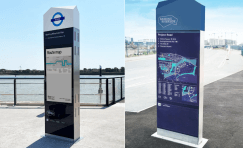
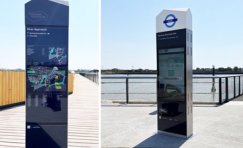
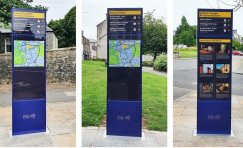
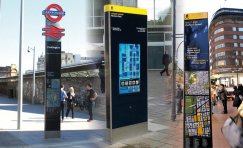
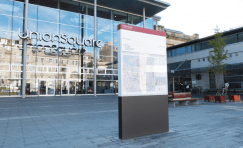
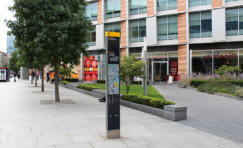
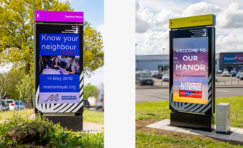
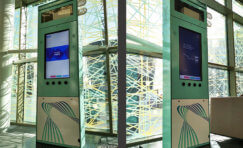
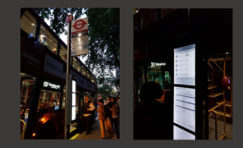
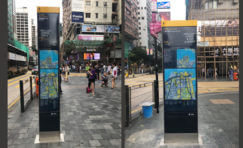
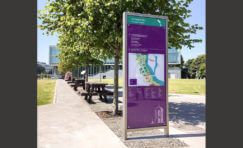
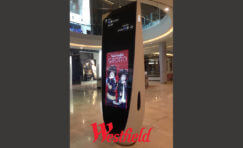
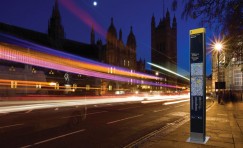
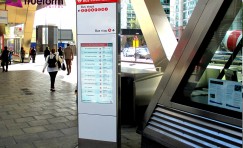
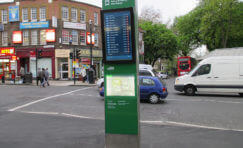
- Digital totems
- Smart wayfinding displays
- Mobile integration
- Emergency messaging systems
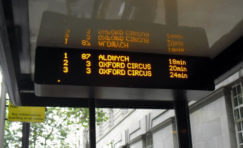
Digital wayfinding allows operators to adapt information instantly during delays, engineering works, or service changes. This flexibility helps maintain passenger confidence even during network disruption.
As smart transport infrastructure evolves, integrated digital signage is becoming central to modern station environments.
Consistency Builds Network Identity
One of the most important aspects of rail wayfinding is consistency.
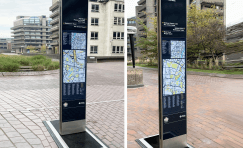
Passengers rely on familiar visual language across different stations and transport systems. Standardised typography, colours, symbols, layouts, and sign positioning help create intuitive navigation experiences regardless of location.
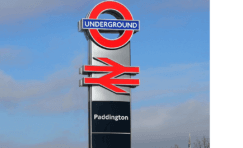
Transport systems such as the London Underground have demonstrated for decades how strong, consistent signage design can become globally recognised while simultaneously improving usability and passenger understanding.
Consistency also supports faster decision-making for passengers moving through busy transport environments.
Wayfinding as Part of Modern Station Design
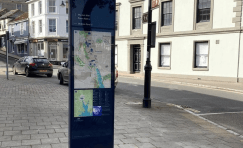
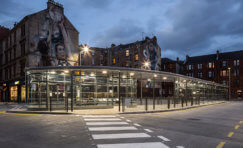
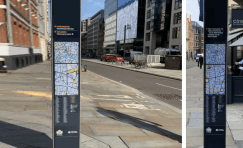
Today, wayfinding is increasingly integrated into the broader architectural and urban design strategy of transport infrastructure.
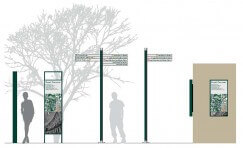
Rather than being treated as an afterthought, signage systems are now incorporated into station planning from the earliest design stages. This allows architects, engineers, and wayfinding specialists to create cohesive environments where navigation feels natural and intuitive.
Modern rail wayfinding solutions often integrate with:
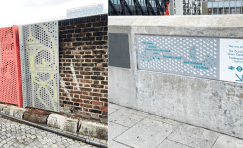
- Architectural metalwork
- Lighting systems
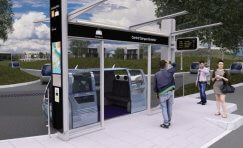
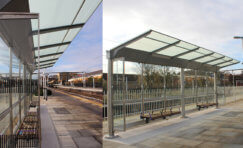
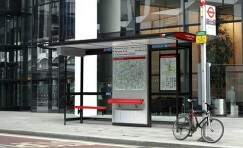
- Platform furniture
- Digital infrastructure
- Passenger information systems
- Public realm improvements
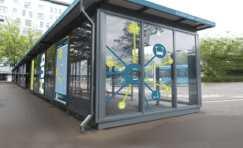
- Multi-modal transport connections
This holistic approach improves both station functionality and passenger experience.
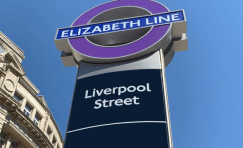
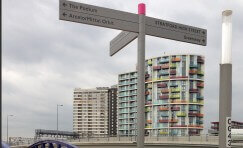
Projects such as Crossrail demonstrate how integrated signage and infrastructure design contribute to creating world-class transport environments.
Building Better Passenger Journeys
As rail networks continue to modernise, the importance of clear, accessible, and intelligently designed wayfinding systems will only increase.
Wayfinding is about far more than directional signs, it is about creating confidence, reducing stress, improving accessibility, and enabling millions of passengers to move efficiently through complex transport environments every day.
For operators, local authorities, and infrastructure developers, investing in high-quality rail signage and passenger information systems is essential to delivering safe, connected, and future-ready transport networks.
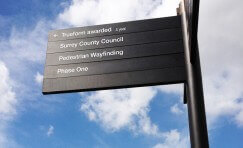
At Trueform’s Rail Signage & Infrastructure division, advanced wayfinding systems are designed and manufactured to support rail, underground, tram, and light rail networks with durable, compliant, and passenger-focused infrastructure solutions that improve journeys across the UK and beyond.