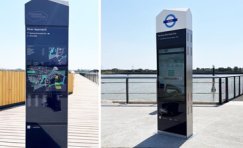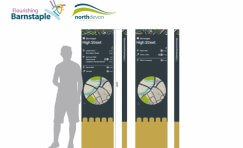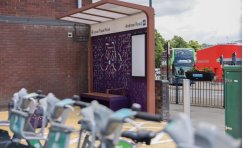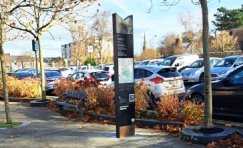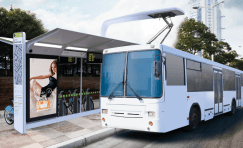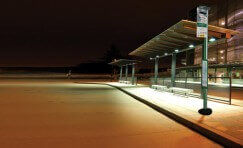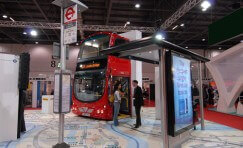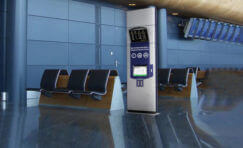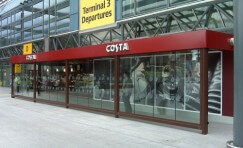









The Importance of Quality Roadside Bus Shelter Infrastructure
A Strategic Investment in the Future of Public Transport
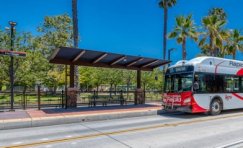
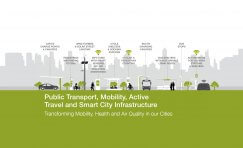
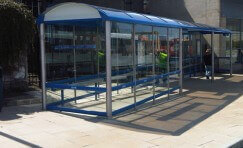
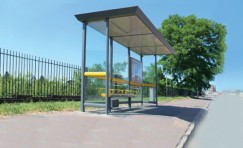
Across the UK and beyond, public transport is undergoing rapid transformation. Investment in low-emission vehicles, digital technology, and smarter networks is accelerating. Yet one critical element continues to be overlooked, the roadside bus shelter infrastructure itself.
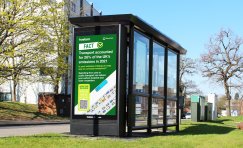
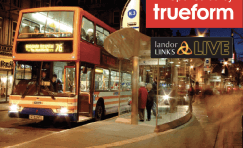
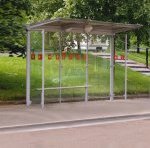
The reality is simple: the journey doesn’t start on the bus; it starts at the bus shelter.
The Problem: What the Public See
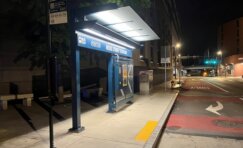
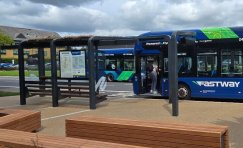
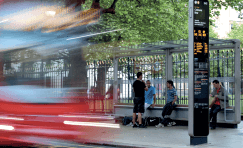
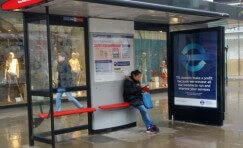
For many passengers, the first impression of bus travel is shaped not by the vehicle, but by the waiting environment.
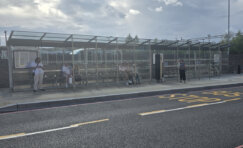
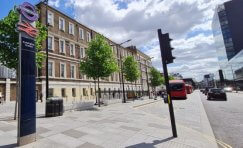
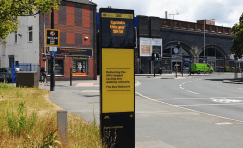
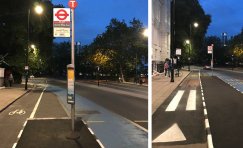
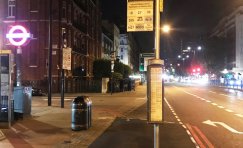
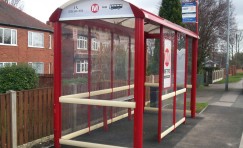
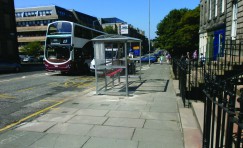
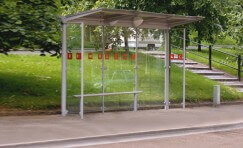
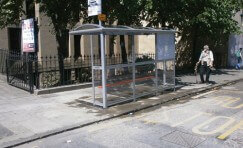
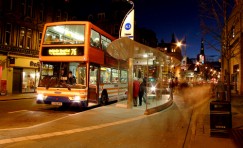
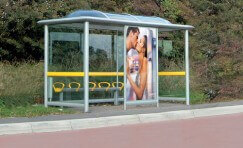
Much of today’s roadside infrastructure is
- Outdated, with old fashioned designs dating back decades
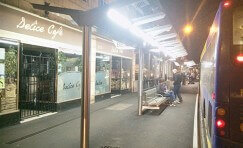
- Poorly maintained, showing signs of wear and neglect
- Uninviting, lacking comfort, safety, and visual appeal
Despite significant investment in vehicles and technology, the physical infrastructure has been left behind, sending the wrong message to passengers.
The Current Situation: A Misaligned Approach
Across the industry, there is a growing imbalance in how investment is prioritised:
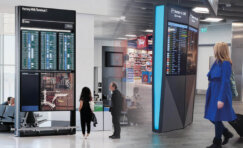
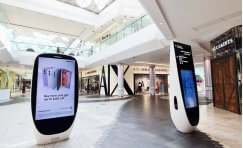
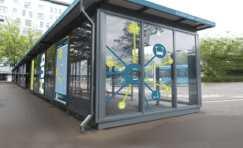
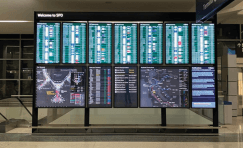
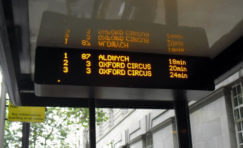
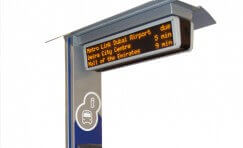
- Focus on digital elements such as real-time information displays
- Limited investment in the core shelter structure itself
- Procurement driven by lowest cost, not long-term value
- A lack of recognition of the shelter as a strategic asset
This has led to an environment where basic, low-quality products are widely deployed, doing little to improve perception, increase ridership, or enhance the passenger experience.
Missing the Bigger Picture
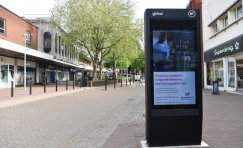
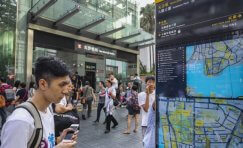
Transport authorities often focus on the peripheral elements of a stop:
- Real-time information systems
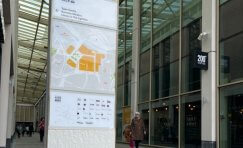
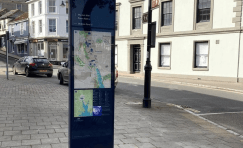
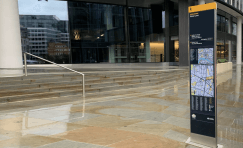
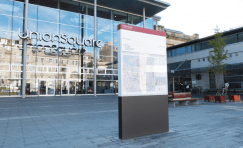
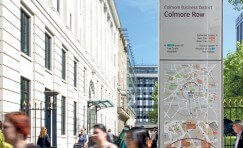
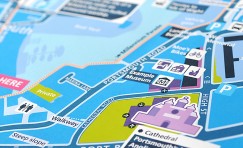
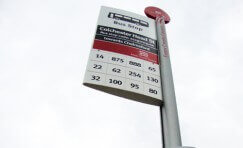
- Maps and timetables
- Lighting and seating
- Sustainability add-ons such as solar power & green roofs
While important, these features cannot compensate for a poorly designed, outdated shelter.
The structure itself, the most visible and impactful element, is too often neglected.
Perception is Everything
Public perception plays a powerful role in transport choice.
Unattractive, outdated shelters can create:
- A sense of low quality and neglect
- Feelings of discomfort or vulnerability
- A perception that bus travel is inferior to other modes
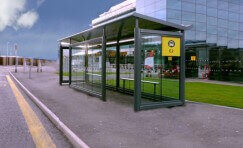
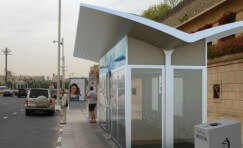
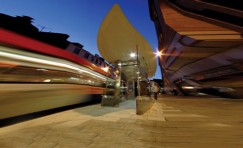
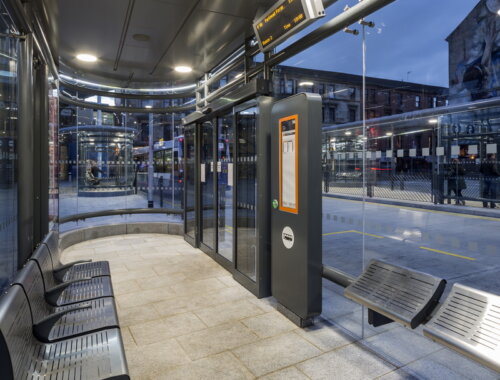
In contrast, modern, well-designed infrastructure:
- Builds confidence and trust
- Enhances safety and comfort
- Aligns with expectations of modern urban environments
Passengers compare their travel options, and they will always choose the path of least resistance.
The Bus Shelter: A Powerful Marketing Tool
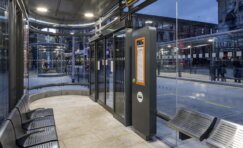
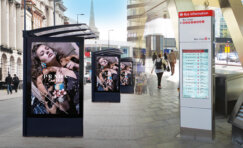
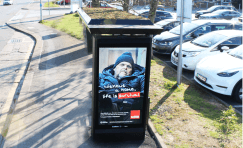
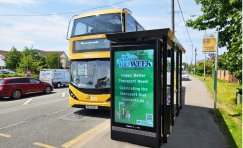
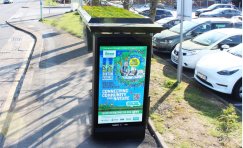
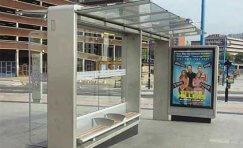
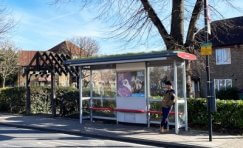
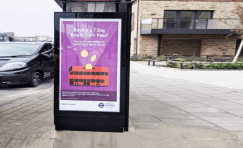
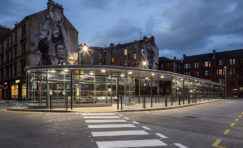
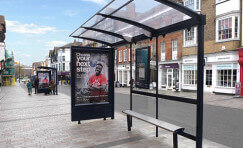
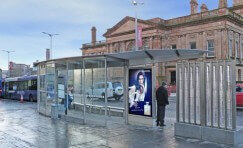
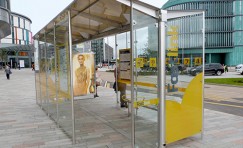
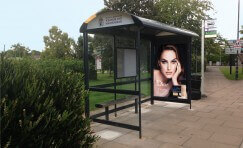
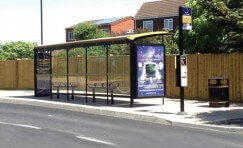
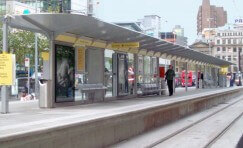
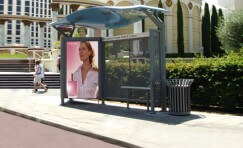
The bus shelter is more than infrastructure, it is the “shop window” of the service.
It is:
- The first and last touchpoint of every journey
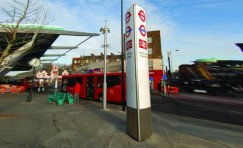
- A highly visible street presence
- A platform to promote and reinforce brand identity
While operators invest heavily in marketing teams and campaigns, the physical environment where journeys begin is often overlooked.
This represents a significant missed opportunity.
Driving Modal Shift Through Better Design
High-quality bus infrastructure plays a critical role in encouraging modal shift, moving people from private cars to public transport.
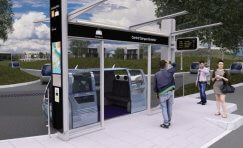
Modern shelters can:
- Attract new passengers
- Retain existing users
- Improve overall satisfaction and loyalty
By removing key “points of friction” such as discomfort, poor visibility, and lack of safety, infrastructure helps create a seamless, end-to-end journey experience.
The Wider Impact
Investment in quality roadside infrastructure delivers far-reaching benefits:
- Increased ridership and farebox revenue
- Reduced congestion on roads
- Lower carbon emissions and improved air quality
- Healthier, more sustainable communities
This is not simply a design decision; it is a strategic investment in the future of cities.
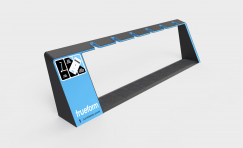
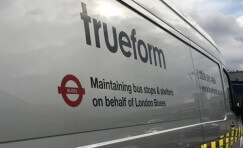
Trueform’s Approach
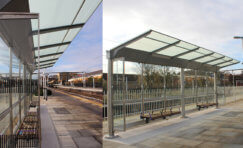
At Trueform, we understand that infrastructure shapes perception.
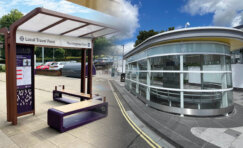
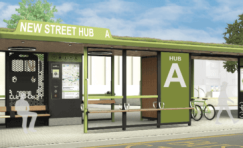
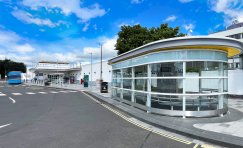
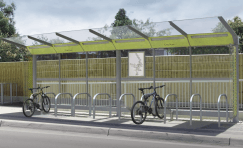
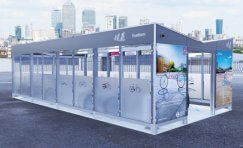
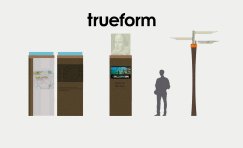
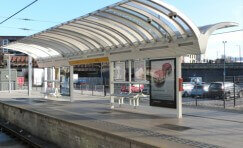
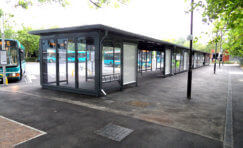
We design and deliver user-centric, high-quality bus shelters and mobility solutions that:
- Enhance the passenger experience
- Reflect modern urban expectations
- Support transport authorities in growing ridership
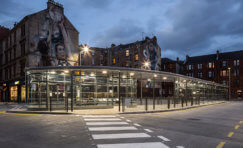
By combining design, engineering, manufacturing, and installation, we create infrastructure that not only looks exceptional but performs reliably in demanding environments.
Looking Ahead
To reverse the decline in bus patronage, the industry must rethink its priorities.
Investment must extend beyond vehicles and technology to include the spaces where journeys begin and end.
The opportunity is clear:
- Transform perception
- Elevate experience
- Increase usage
Because the future of public transport is not just about moving people, it’s about how people feel when they choose to travel.
And that starts at the shelter.