







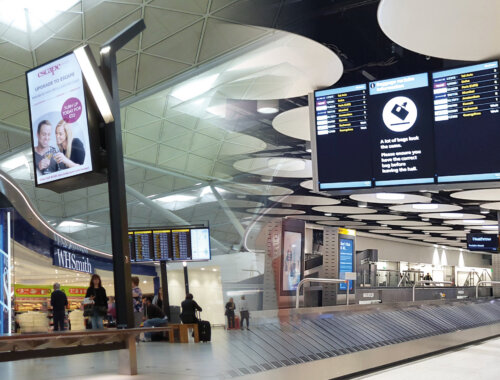

Why Airport Passenger Experience Starts Before the Journey
When people think about airport passenger experience, they often focus on what happens on the plane. However, the passenger journey begins long before travellers’ step through the plane door.
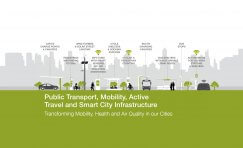
From transport interchanges and drop-off zones to wayfinding systems, digital information, shelters, and public realm infrastructure, every touchpoint leading into the airport shapes how passengers perceive their journey.
As global air travel continues to grow, airports are increasingly recognising that seamless passenger experiences start outside the aircraft itself. Creating efficient, intuitive, and welcoming arrival environments has become essential for improving satisfaction, operational flow, and overall airport performance.
First Impressions Shape the Entire Journey
The approach to an airport sets the tone for the entire travel experience.
Passengers arriving at airports are often under pressure, managing luggage, navigating unfamiliar environments, working to tight schedules, or travelling internationally. Poor navigation, unclear information, congestion, or inadequate infrastructure can quickly create stress before passengers even enter the terminal.
In contrast, well-designed airport infrastructure creates confidence and reassurance from the moment travellers arrive.
Clear wayfinding, protected waiting areas, intuitive transport connections, and real-time information systems help passengers feel calm, informed, and in control of their journey.
In modern airport environments, passenger experience begins at the kerbside.
The Importance of Seamless Multi-Modal Connectivity
Airports are no longer isolated transport hubs. They are increasingly integrated into wider mobility networks that include:
- Rail connections
- Bus and coach services
- Taxi and ride-share facilities
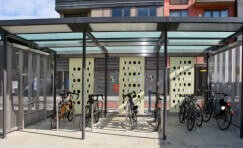
- Cycling infrastructure
- Pedestrian routes
- EV charging hubs
- Car parking systems
The efficiency of these connections directly impacts passenger satisfaction.
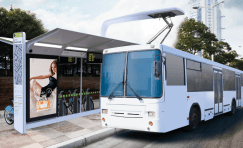
Passengers expect smooth transitions between transport modes without confusion or unnecessary delays. Infrastructure that supports seamless movement between public transport, parking, and terminal access helps reduce congestion and improves overall operational efficiency.
Integrated transport infrastructure also plays an important role in supporting sustainable travel objectives by encouraging greater use of public transportation and low-emission mobility solutions.
Wayfinding Reduces Stress and Improves Flow
Airports are complex environments that welcome millions of passengers from different countries, languages, and cultures every year.
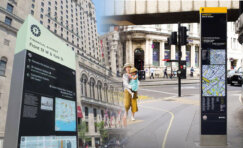
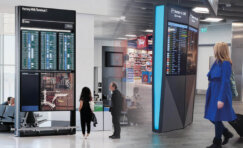
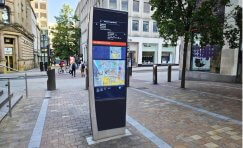
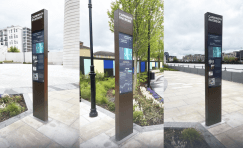
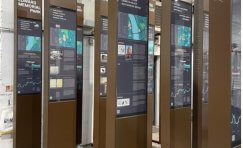
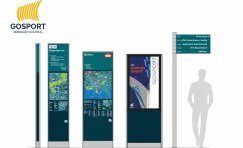
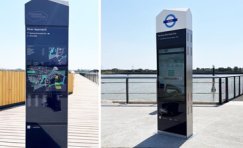
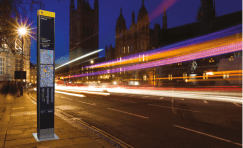
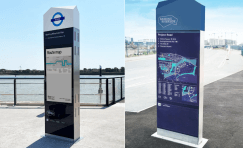
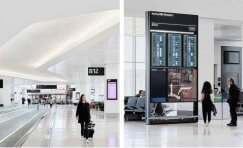
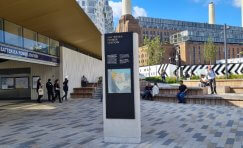
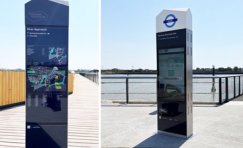
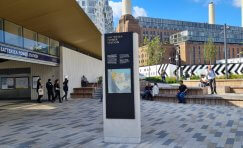
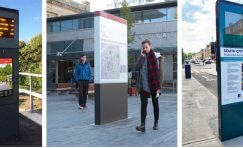
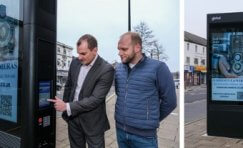
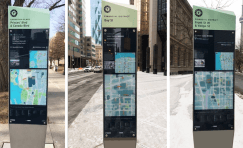
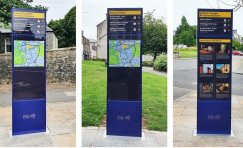
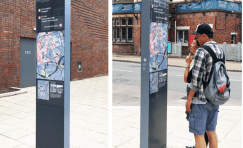
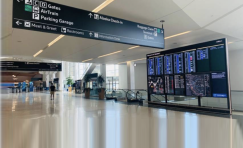
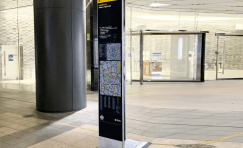
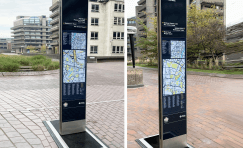
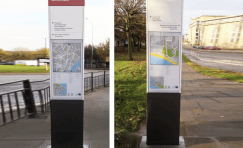
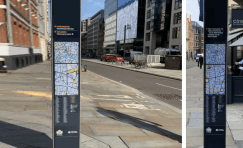
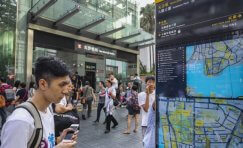
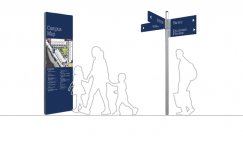
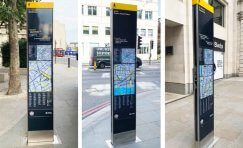
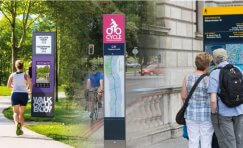
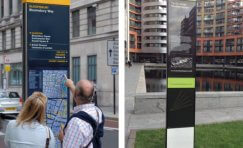
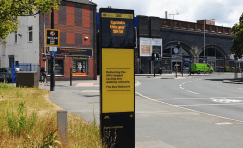
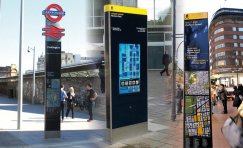
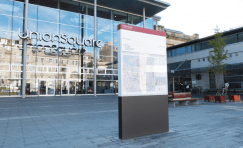
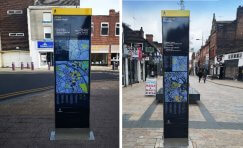
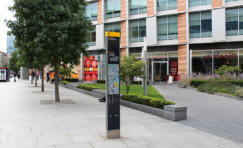
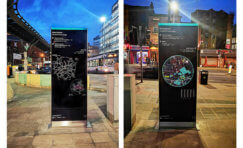
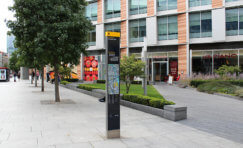
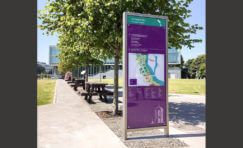
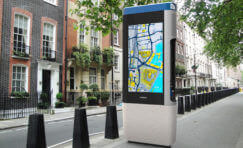
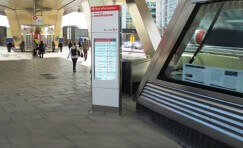
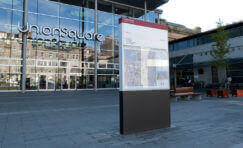
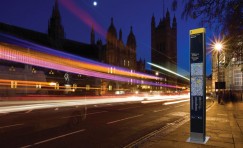
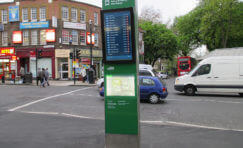
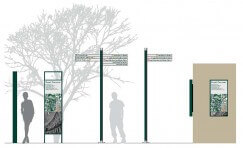
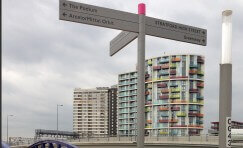
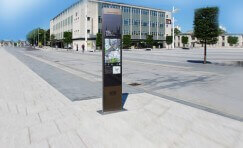
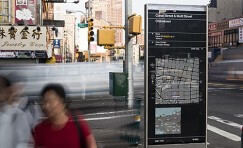
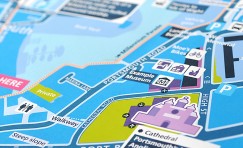
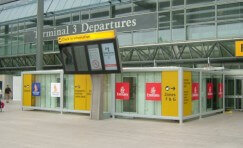
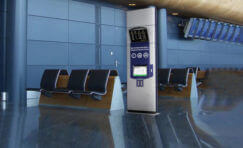
Clear and consistent wayfinding is critical for helping travellers navigate efficiently before they even reach check-in areas. Directional signage, digital displays, pedestrian guidance systems, and information totems all contribute to smoother passenger movement across airport campuses.
Poor navigation can lead to:
- Passenger frustration
- Congestion
- Missed connections
- Increased staff intervention
- Delays at key access points
Modern wayfinding systems create intuitive navigation experiences that reduce uncertainty and improve passenger confidence throughout the airport approach and arrival journey.
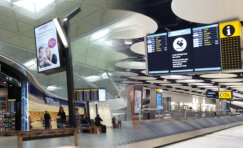
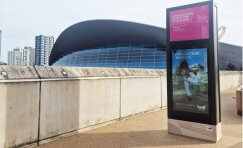
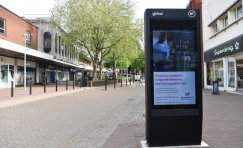
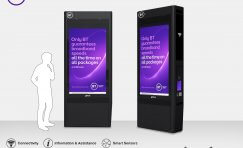
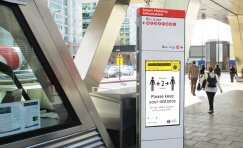
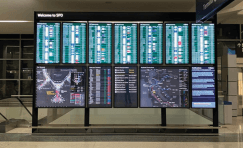
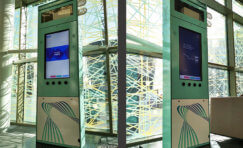
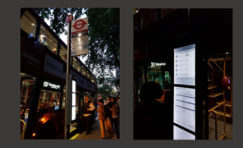
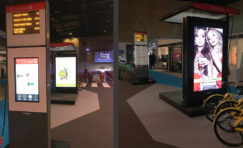
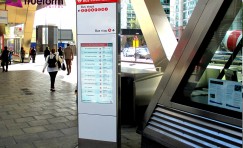
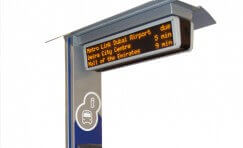
Digital passenger information systems additionally allow airports to communicate real-time updates, transport changes, security messaging, and guidance instantly across large public spaces.
Passenger Comfort Begins Outside
Passenger comfort is no longer limited to lounges and waiting gates. Outdoor infrastructure increasingly plays a major role in shaping airport experiences.
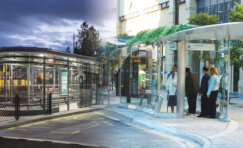
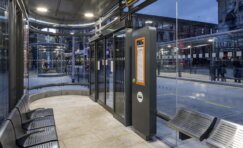
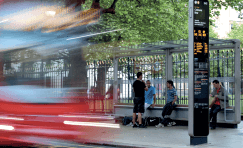
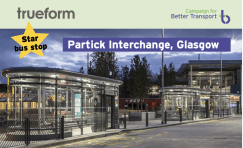
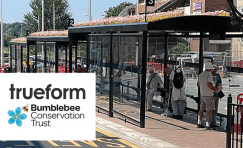
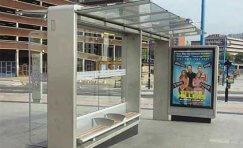
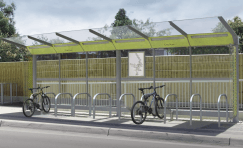
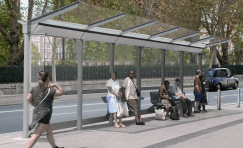
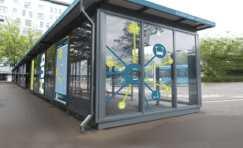
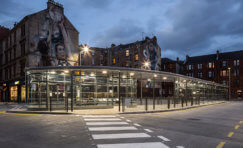
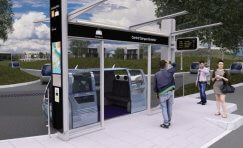
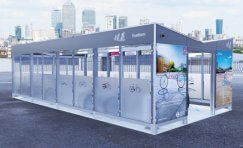
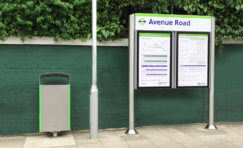
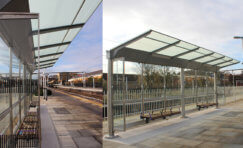
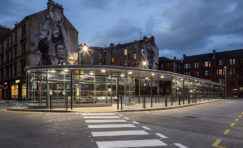
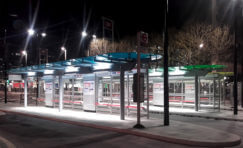
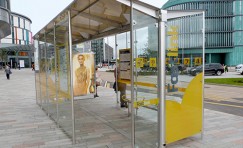
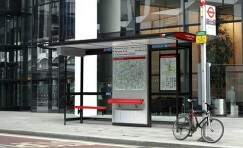
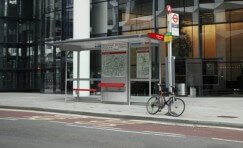
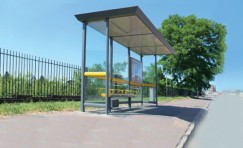
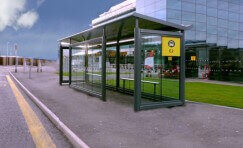
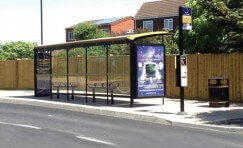
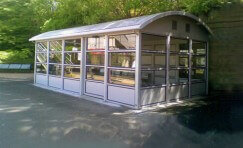
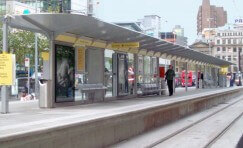
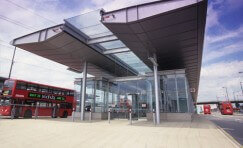
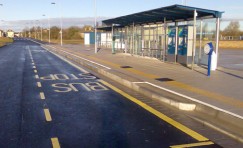
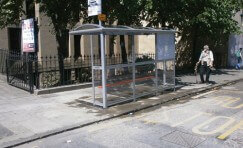
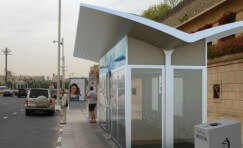
High-quality shelters, canopies, seating areas, and covered walkways provide essential protection from weather conditions while improving accessibility and convenience for travellers moving between transport connections and terminal entrances.
For passengers arriving via public transport or waiting at pick-up points, comfortable outdoor environments can significantly improve perceptions of airport quality and organisation.
Modern airport infrastructure must support passengers throughout every stage of the journey, not just once they are inside the building.
Accessibility Must Be Integrated Throughout the Journey
Inclusive airport passenger experience depends on accessible infrastructure across the entire airport environment.
Accessible design considerations include:
- Step-free access routes
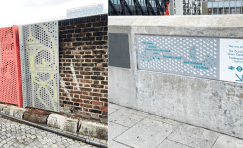
- Tactile wayfinding systems
- Clear visual communication
- Audible information systems
- Accessible transport interchanges
- Appropriate lighting
- Weather-protected pathways
- Seating and resting points
Passengers with mobility challenges, sensory impairments, or additional accessibility requirements rely on infrastructure that supports independent and stress-free travel from arrival to departure.
When accessibility is integrated into the wider airport approach rather than treated as an isolated feature, airports create more inclusive and welcoming environments for all travellers.
Digital Infrastructure Enhances Passenger Confidence
Technology is transforming airport passenger experience both inside and outside the terminal.
Modern airport infrastructure increasingly integrates:
- Real-time transport information
- Interactive digital kiosks
- Dynamic wayfinding systems
- Smart lighting
- Digital advertising displays
- Passenger communication systems
- EV charging integration
- Smart mobility solutions
Digital systems help airports manage passenger flow more effectively while providing travellers with immediate access to accurate information throughout their journey.
This becomes especially important during peak travel periods, disruptions, or security changes where clear communication can significantly reduce passenger stress.
Airports as Connected Public Spaces
Today’s airports function as much more than transport facilities. They are large-scale public environments that combine mobility, technology, architecture, retail, hospitality, and urban infrastructure.
As a result, the spaces surrounding terminals are becoming increasingly important components of the passenger journey.
Modern airport infrastructure must balance:
- Operational efficiency
- Passenger comfort
- Safety and security
- Sustainability
- Accessibility
- Digital connectivity
- Architectural integration
Successful airport environments create smooth, intuitive experiences that guide passengers naturally from arrival to departure.
Building Better Passenger Journeys
Passenger expectations continue to evolve alongside advances in transport technology and infrastructure design. Airports that prioritise the entire end-to-end journey, including the spaces before the terminal, are better positioned to deliver efficient, stress-free, and memorable travel experiences.
From intelligent wayfinding and digital passenger information systems to shelters, transport interchanges, and public realm infrastructure, every element contributes to how passengers experience an airport.
At Trueform, manufacture airport infrastructure solutions are designed to improve passenger flow, accessibility, comfort, and connectivity across every stage of the journey. From digital signage and wayfinding to intelligent transport infrastructure and passenger environments, Trueform helps airports create smarter, more connected, and passenger-focused travel experiences.