








The Role of Bus Stops in Encouraging Modal Shift
When we talk about encouraging people to leave the car at home and choose public transport, the conversation often focuses on the bus itself.
Frequency. Reliability. Routes. Fares. Journey times.
All of these factors matter. But there is another part of the journey that can have a significant influence on perception and behaviour: the bus stop.
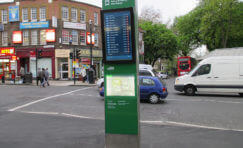
For many passengers, the bus stop is their first physical interaction with the public transport network. It is where the journey begins, where expectations are formed and where passengers decide whether they feel comfortable, confident and informed.
If we want to encourage genuine modal shift, we need to think about the experience from the moment someone leaves their front door, not simply from the moment they step onto the bus.
And that means rethinking what a bus stop should be.
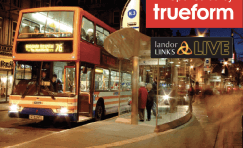
The bus stop is the shop window for public transport
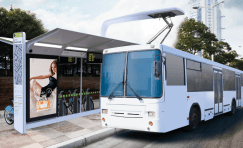
A bus stop may be a relatively small piece of infrastructure, but it represents something much bigger: the public transport service itself.
It is the shop window for the bus network.
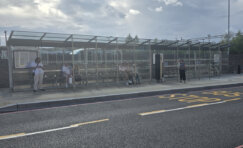
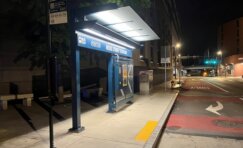
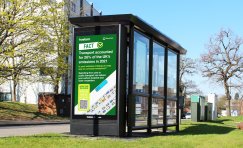
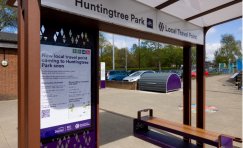
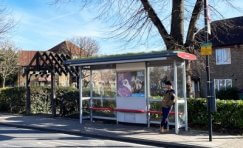
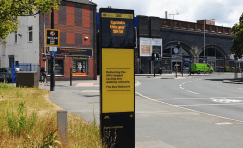
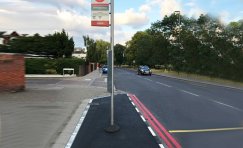
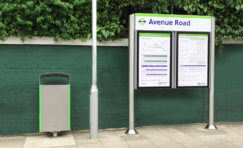
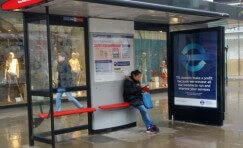
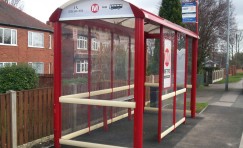
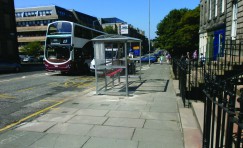
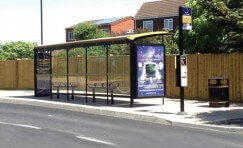
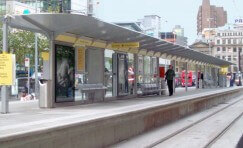
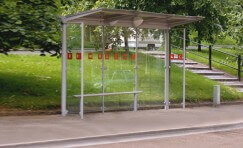
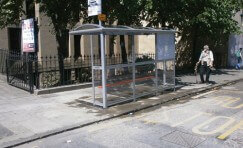
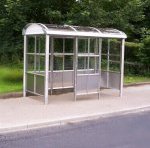
If that shop window is outdated, poorly maintained or uninspiring, it can reinforce negative perceptions of bus travel. A basic shelter at the side of a road, uncomfortable seating, limited information and an environment that feels neglected can make the prospect of travelling by bus considerably less attractive.
And this matters when the alternative is the car.
People don’t simply compare journey times and costs. They compare experiences.
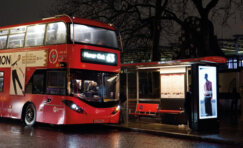
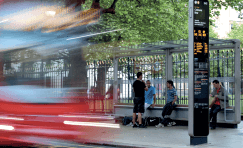
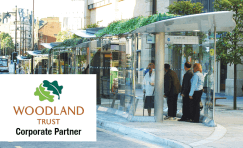
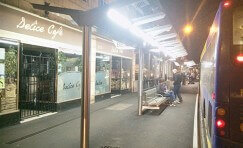
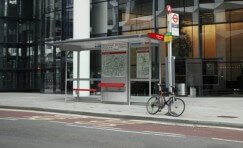
The car offers a private, comfortable and familiar environment. Passengers sit in a comfortable seat, are protected from the weather and control their own environment. Meanwhile, waiting for a bus can sometimes mean standing beside a busy road in an uninspiring shelter.
If public transport is going to compete for people’s journeys, we need to close that experience gap.
The bus stop shouldn’t be somewhere passengers simply tolerate because they have to. It should be an environment they feel positive about using.
This is where transformational design has a role to play.
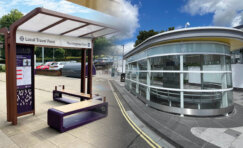
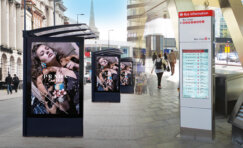
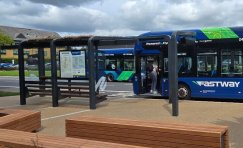
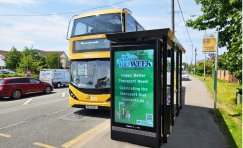
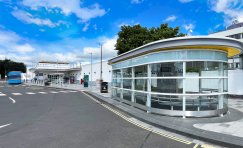
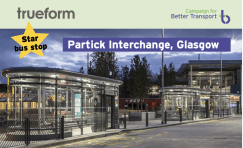
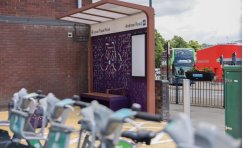
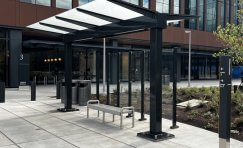
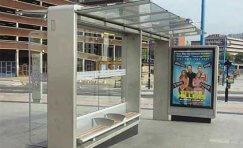
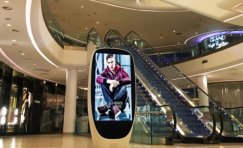
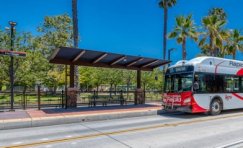
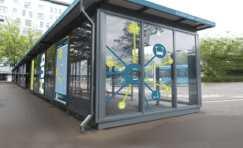
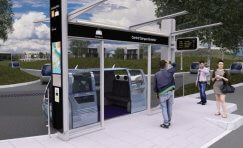
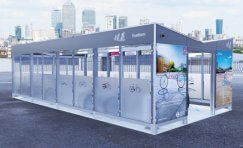
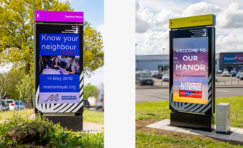
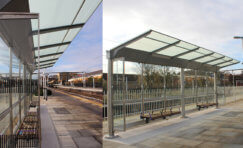
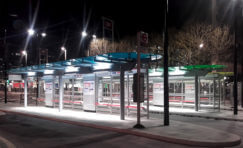
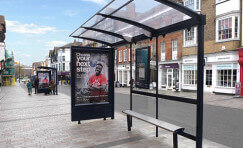
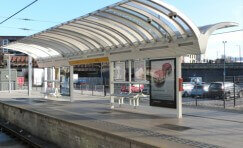
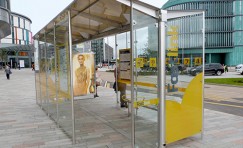
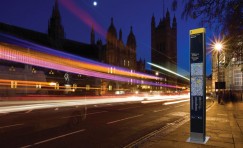
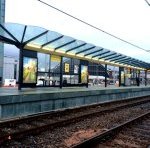
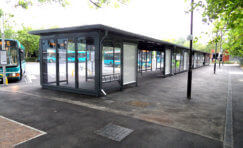
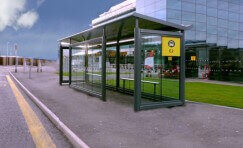
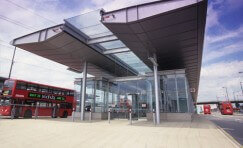
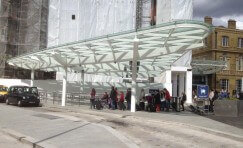
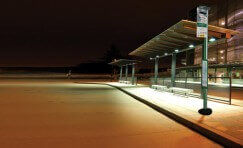
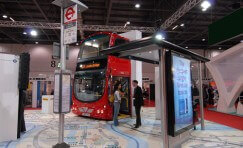
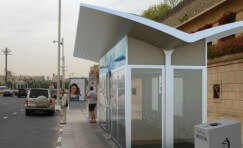
Contemporary architecture, high-quality materials, considered lighting, integrated technology and distinctive design can change the way people perceive a bus stop, and, in turn, how they perceive public transport.
The Department for Transport has recognised that the design of bus stops and stations can influence people’s ability and willingness to use bus services.
That makes investment in bus stop infrastructure more than a question of aesthetics. It is an investment in the customer experience.
Comfort shouldn’t mean settling for the basics
Waiting is one of the defining characteristics of public transport.
When travelling by car, passengers generally leave when they want, control their environment and travel directly to their destination. Public transport introduces an element of waiting, making the quality of that waiting environment an important part of the journey.
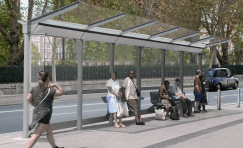
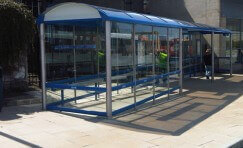
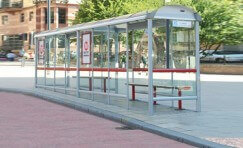
Traditionally, the solution has been straightforward: provide a shelter, add a seat and install some lighting.
But expectations have changed.
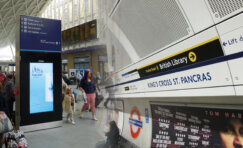
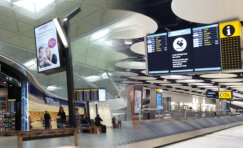
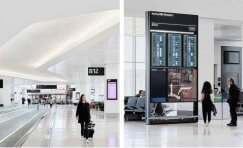
People experience high-quality environments every day, from airports and railway stations to hotels, retail spaces and modern workplaces. These environments are designed to make people feel comfortable, informed and valued.
Why should the experience of waiting for a bus be fundamentally different?
The next generation of bus shelters should aspire to create environments that are as considered, comfortable and visually engaging as the other spaces people use throughout their lives.
This doesn’t mean every bus stop needs to become an architectural landmark. It means recognising that design has the power to influence behaviour.
A passenger who arrives at an attractive, clean, comfortable and well-designed stop receives a very different message from someone waiting in a neglected roadside shelter.
The question shouldn’t simply be:
“Can passengers wait here?”
It should be:
“Would passengers choose to wait here?”
Accessibility is essential to modal shift
If public transport is going to provide a genuine alternative to the car, it needs to work for as many people as possible.
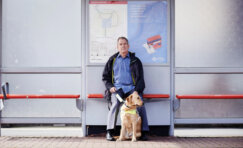
Accessible bus stop design can support passengers with mobility, visual, hearing and other access requirements, while also improving the experience for parents with pushchairs, older passengers and people carrying luggage.
Accessibility should be considered across the complete passenger journey, from the pavement and approach to the shelter, through to boarding the bus.
Information also needs to be accessible.
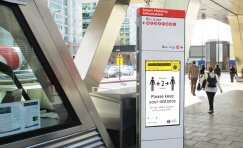
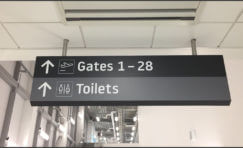
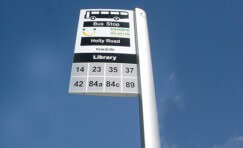
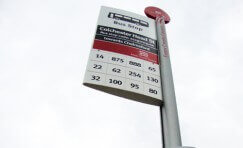
Clear visual information, high-contrast displays, audible announcements, tactile features and intuitive layouts can all help passengers navigate the network with greater confidence.
Importantly, inclusive design shouldn’t be treated as an additional feature added to a standard bus stop.
It should be fundamental to how the environment is designed.
A public transport network can only encourage widespread modal shift if people feel that it is genuinely designed for them.
Design can change perceptions
There is also an emotional element to travel.
People don’t make every journey decision through a spreadsheet of journey times and ticket prices. How a journey feels matters.
This is where design becomes particularly powerful.
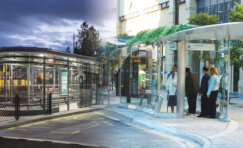
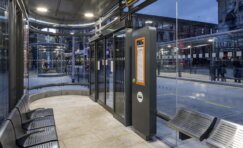
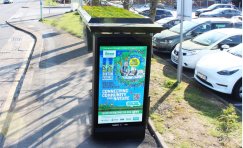
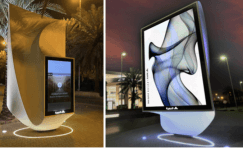
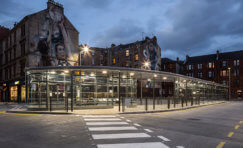
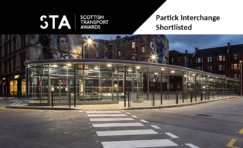
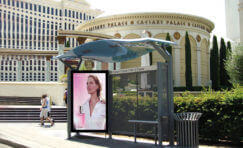
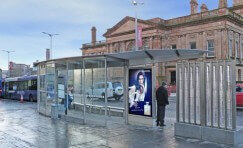
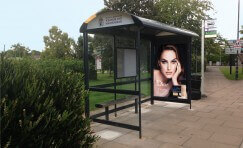
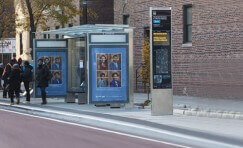
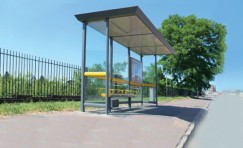
A distinctive, contemporary bus shelter can communicate investment and ambition. It can complement surrounding architecture, reflect local identity and contribute positively to the wider streetscape.
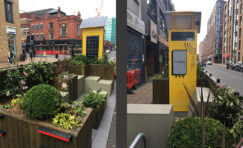
Instead of being an isolated object at the side of the road, the bus stop can become part of the place.
This is particularly important for councils investing in town centre regeneration and placemaking.
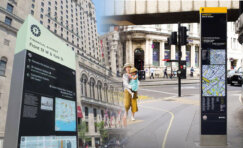
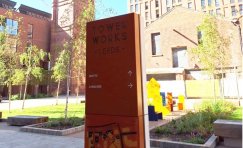
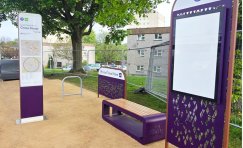
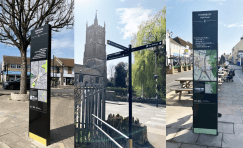
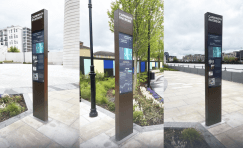
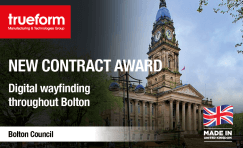
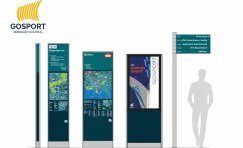
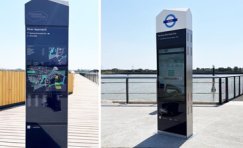
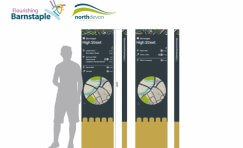
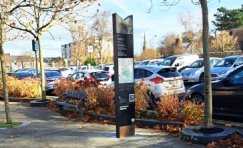
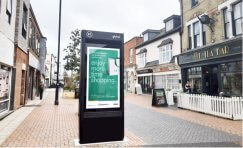
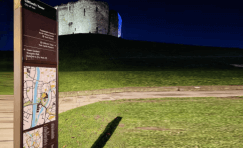
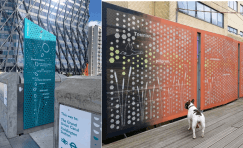
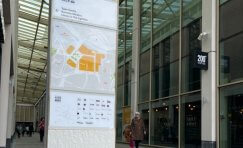
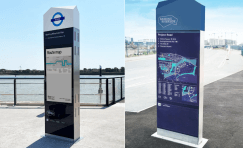
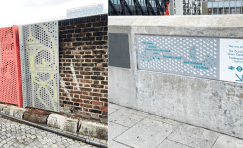
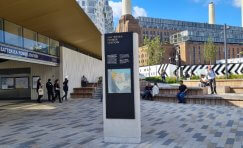
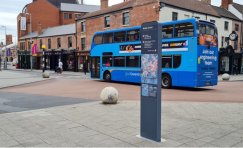
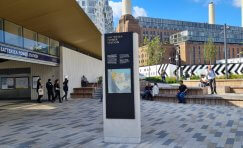
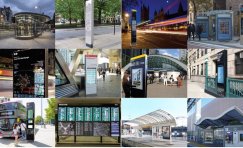
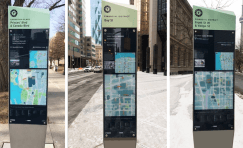
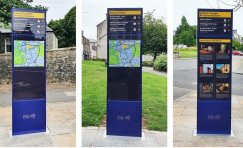
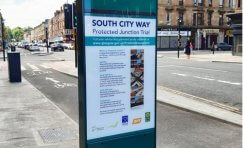
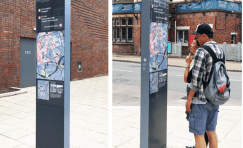
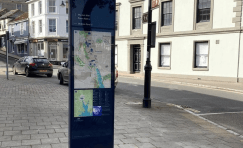
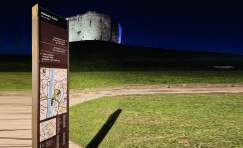
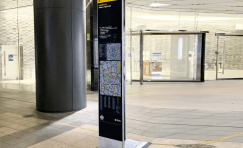
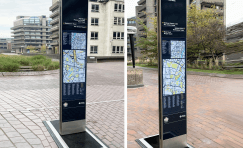
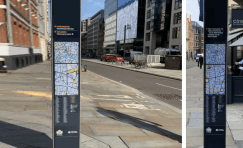
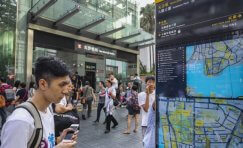
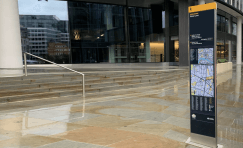
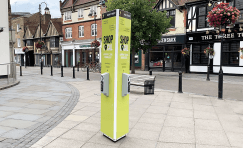
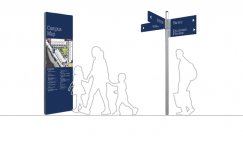
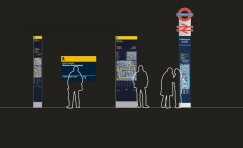
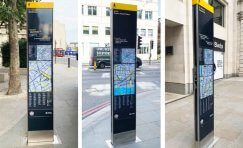
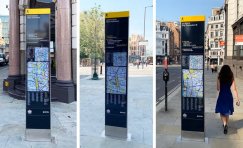
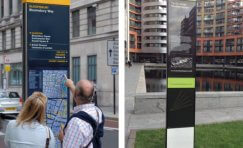
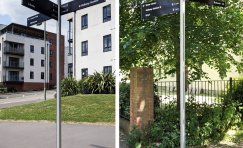
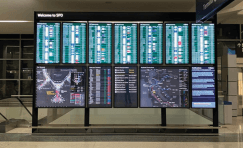
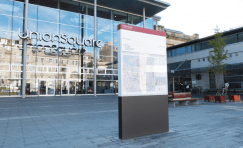
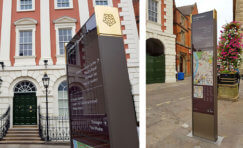
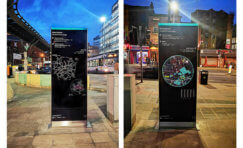
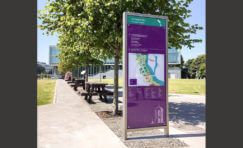
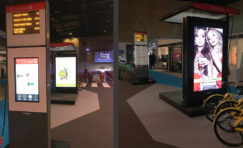
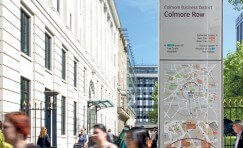
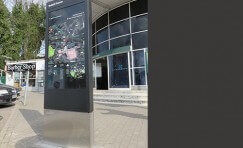
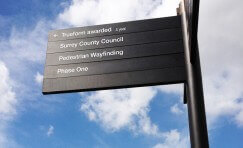
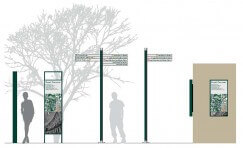
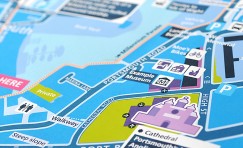
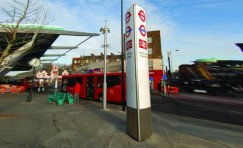
Transport infrastructure can contribute to the identity and quality of a destination. High-quality shelters, passenger information, lighting, seating and wayfinding can help create streets and public spaces that people want to spend time in.
And when public transport infrastructure looks modern, considered and aspirational, it can help challenge outdated perceptions of bus travel.
If we want people to change their behaviour, the alternative needs to look and feel like an attractive choice.
From bus stop to mobility hub
The role of the bus stop is also evolving.
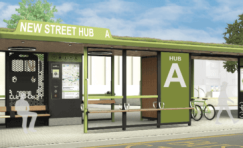
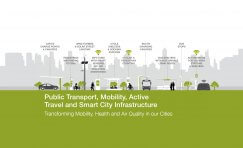
As transport networks become more integrated, the traditional bus stop can become a connection point between different forms of sustainable mobility.
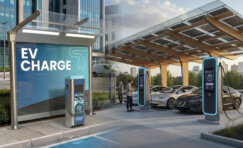
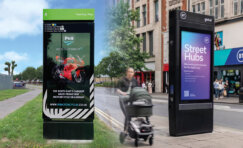
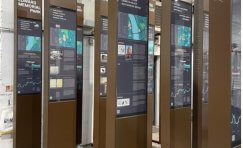
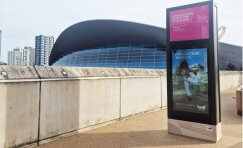
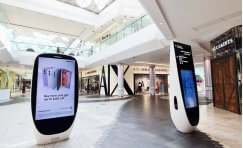
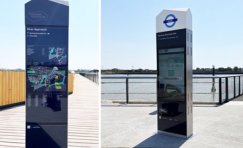
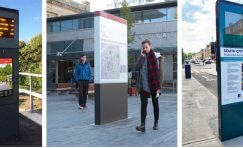
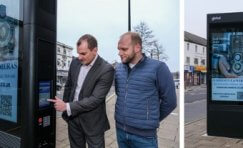
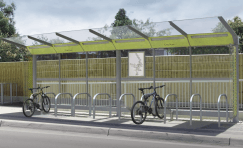
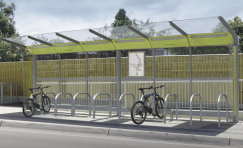
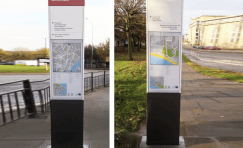
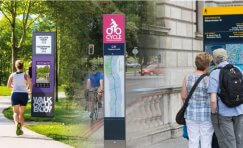
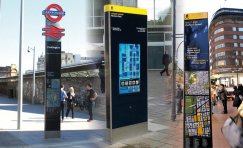
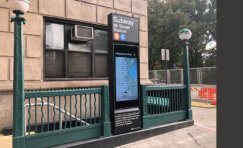
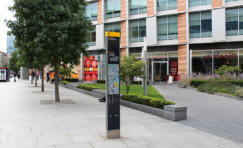
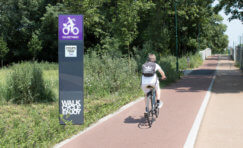
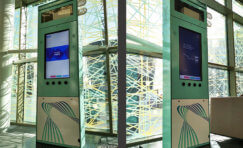
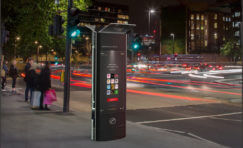
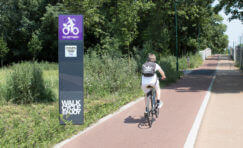
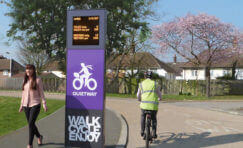
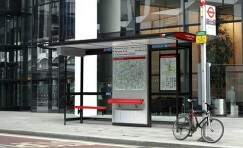
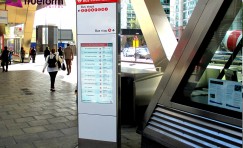
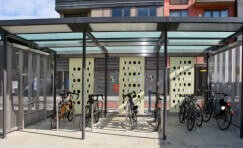
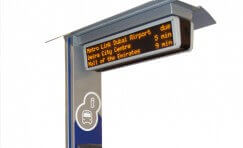
Walking routes can connect passengers to the stop. Cycle parking and secure cycle storage can support active travel. Digital information can connect passengers with wider transport networks, while mobility hubs can bring different transport options together.
The result is a more connected passenger environment rather than a standalone shelter.
This is increasingly important as cities look to encourage people to combine different sustainable modes rather than rely on a single form of transport.
The journey might start by walking to the bus, continue by bus and finish by bike. The infrastructure should make those connections feel simple and intuitive.
Investment in infrastructure can support ridership
Encouraging modal shift isn’t about one intervention.
People are more likely to consider changing how they travel when public transport is reliable, accessible, affordable, convenient and easy to understand.
But the physical environment also contributes to that decision.
A bus stop is one of the most visible pieces of public transport infrastructure that passengers interact with. Investing in it sends a clear message that the network is valued and that passenger experience matters.
Better infrastructure can improve comfort and accessibility. It can provide clearer information. It can make connections easier. And, importantly, it can change perceptions.
This matters because ridership isn’t only influenced by the bus service itself. It is influenced by people’s willingness to choose that service.
If the experience of using public transport feels outdated compared with the experience of driving, we shouldn’t be surprised when people continue to choose the car.
Investment in high-quality bus stop infrastructure is therefore part of the wider case for modal shift.
Creating desirable mobility
The future of public transport shouldn’t simply be about creating infrastructure that meets minimum requirements.
It should be about creating desirable mobility.
That means environments that passengers actively want to use.
A bus stop can be safe without being inspiring. It can be functional without being attractive. It can provide shelter without creating a genuinely positive experience.
The opportunity now is to go further.
By combining contemporary design, comfort, accessibility, digital information, sustainability and connectivity, bus stops can become an important part of creating a public transport experience that people value.
This is particularly important for attracting people who currently have access to a car and may not see public transport as their preferred option.
The challenge is to make the choice feel different.
Not:
“I have to take the bus.”
But:
“I’d rather take the bus.”
Designing bus stops around the passenger
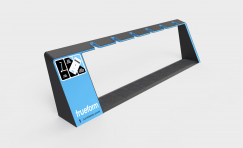
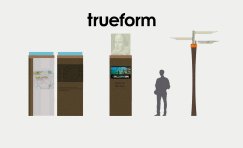
At Trueform, we believe the bus stop should be considered an integral part of the public transport network, not simply a place where a bus happens to stop.
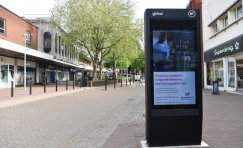
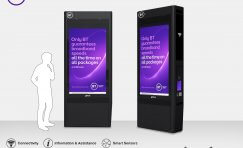
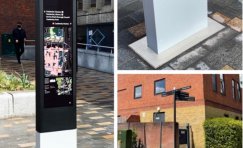
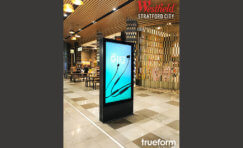
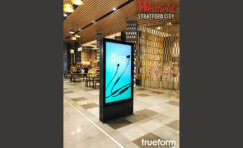
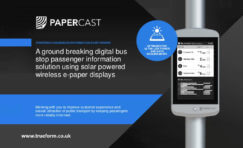
Our approach brings together shelter, seating, accessibility, passenger information, digital technology, wayfinding and sustainable design to create infrastructure that works for passengers and the communities around them.
Because if we’re serious about encouraging people to leave the car behind, improving the bus service is only part of the answer.
We also need to improve the experience surrounding it.
Better buses matter. Better bus stops matter too.
And if the bus stop becomes a place that is modern, progressive, comfortable, connected, accessible and genuinely desirable, it can help turn public transport from an alternative into a choice.