








Why Accessibility Should Be Designed In, Not Added Later
Accessibility should never be an afterthought when designing public spaces and transport infrastructure.
For people using public transport, the journey begins long before they board a bus or train. It starts with being able to reach the stop or station, understand the information available, navigate the space safely, find a place to sit and board with confidence.
If accessibility is considered only once a project is already designed, opportunities to remove barriers can be limited. Designing inclusively from the outset creates infrastructure that works better for everyone.
Designing for different needs
Inclusive design is about recognising that passengers have different physical, sensory and cognitive needs.
Someone with limited mobility, a step-free route, suitable seating and an accessible boarding area can make the difference between being able to travel independently and needing assistance.
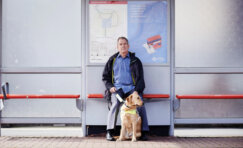
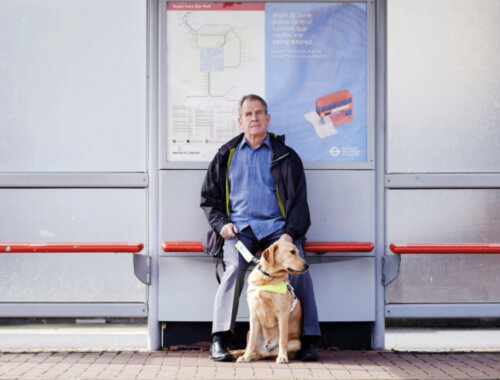
For someone with a visual impairment, clear contrasts, consistent layouts, tactile information and audible announcements can make an unfamiliar environment easier to navigate.
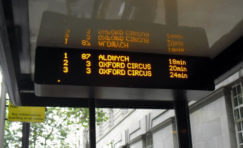
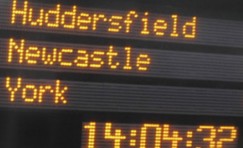
Those with hearing impairments, visual passenger information can provide an essential alternative to announcements.
And for passengers with cognitive or neurological differences, simple layouts, clear signage, predictable journeys and easily understood information can help reduce uncertainty and make accessible public transport infrastructure more widely available.
The Department for Transport’s current guidance on inclusive mobility emphasises designing transport and pedestrian infrastructure to meet the needs of disabled people and create barrier-free environments. (GOV.UK)
Accessibility extends beyond the bus or train
A modern, accessible vehicle is only part of the solution.
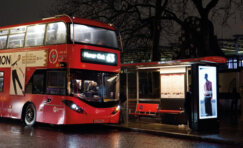
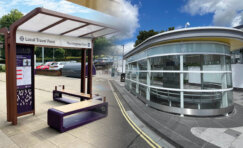
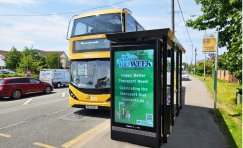
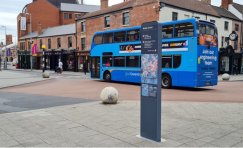
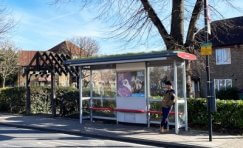
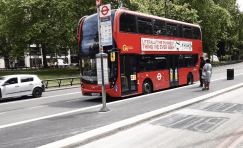
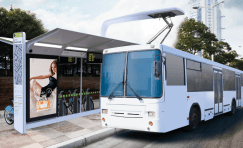
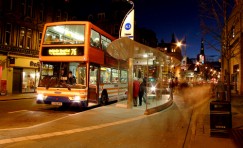
The infrastructure surrounding it must also support an accessible journey. A bus may have low-floor access and wheelchair provision, but if the passenger cannot safely reach the stop, identify the correct boarding point or access the information they need, significant barriers remain.
The Government’s Inclusive Transport Strategy recognises that physical infrastructure, information and the wider streetscape all play a role in creating an inclusive transport system. It also highlights the importance of involving disabled people in the design of future infrastructure and technology from the outset. (GOV.UK)
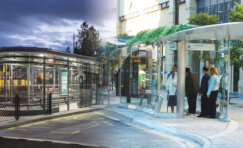
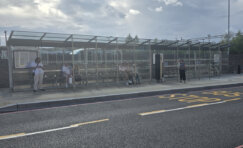
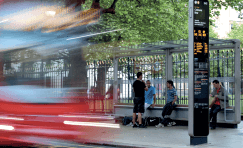
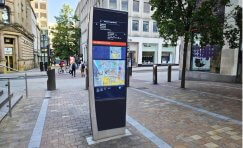
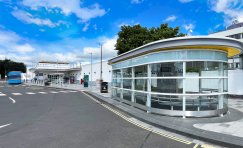
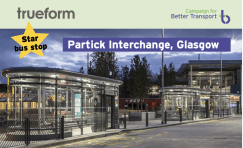
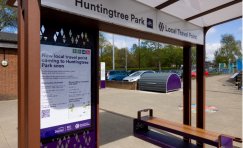
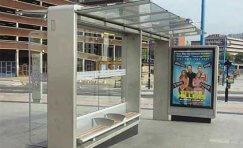
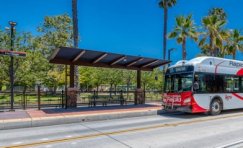
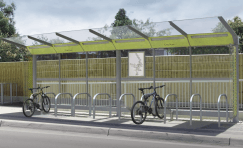
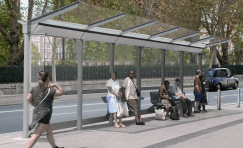
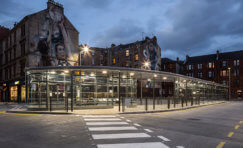
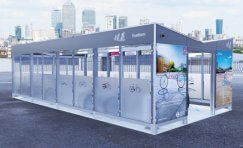
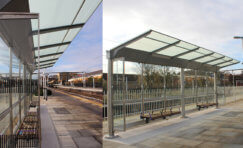
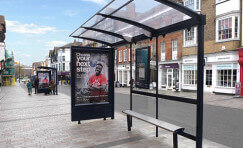
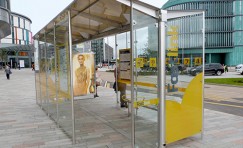
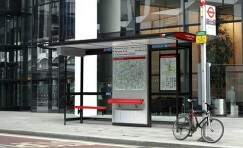
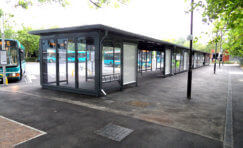
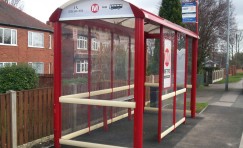
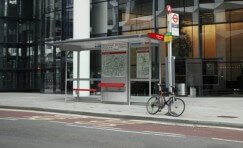
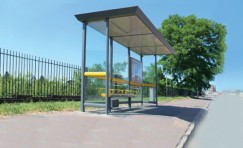
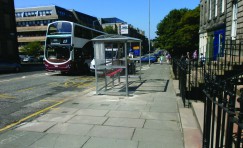
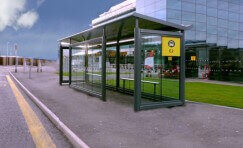
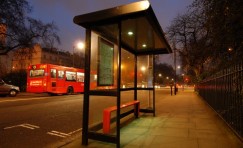
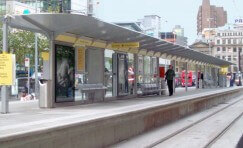
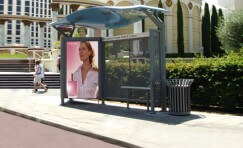
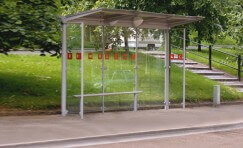
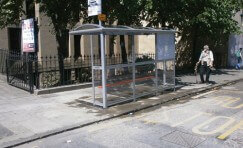
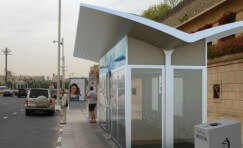
This is why the bus stop should be considered as part of the complete passenger journey, rather than simply a shelter beside the road.
Designing for independence
Good accessible public transport infrastructure is not simply about compliance. It is about creating environments where people can travel with confidence and as independently as possible.
That means considering elements such as:
- Step-free and unobstructed pedestrian routes
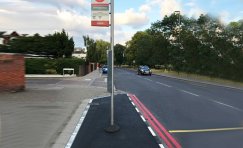
- Accessible boarding areas and appropriate kerb heights
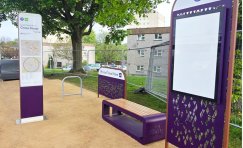
- Comfortable and appropriately positioned seating
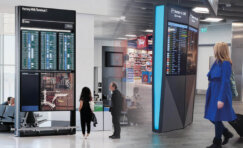
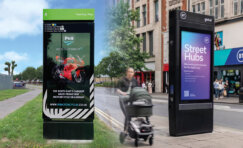
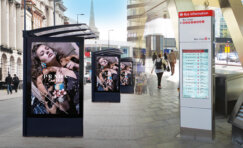
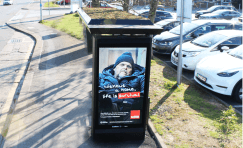
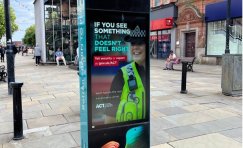
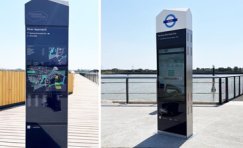
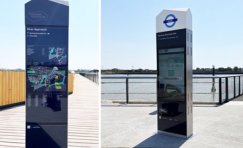
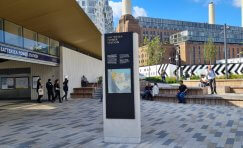
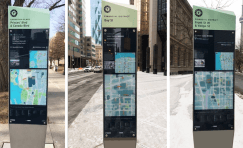
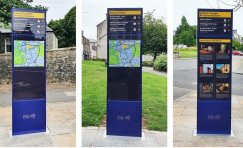
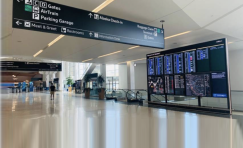
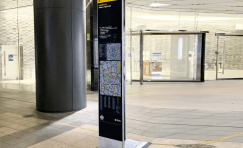
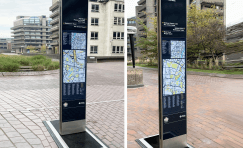
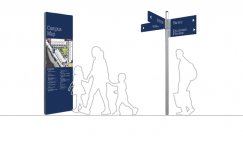
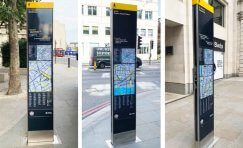
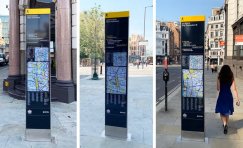
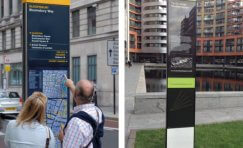
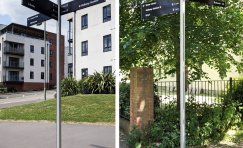
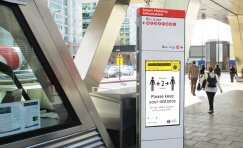
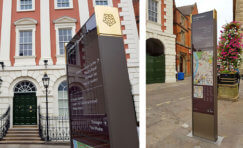
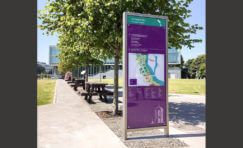
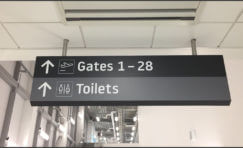
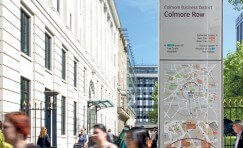
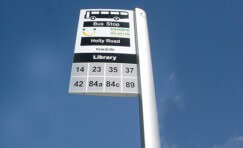
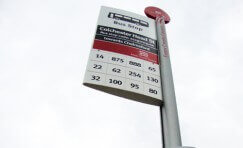
- Clear, high-contrast signage and passenger information
- Tactile and audible information where appropriate
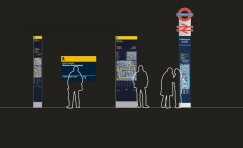
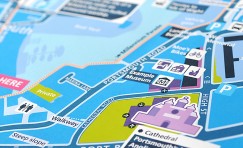
- Consistent layouts that make spaces easier to understand
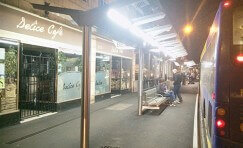
- Good lighting and visibility
- Sufficient space for wheelchairs, mobility aids and other equipment
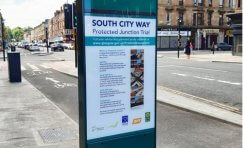
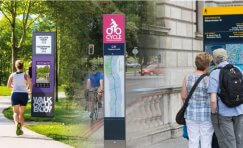
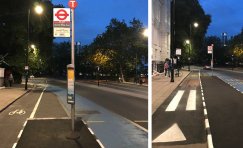
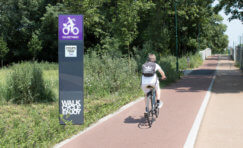
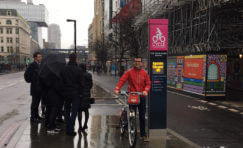
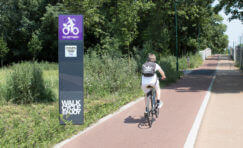
- Safe connections between walking routes, cycle infrastructure and public transport
Active Travel England similarly highlights the importance of safe, direct and accessible routes to bus stops, alongside seating, shelter, lighting, real-time information and accessible boarding facilities. (Active Travel England)
Consistency matters
One of the often-overlooked aspects of inclusive design is consistency.
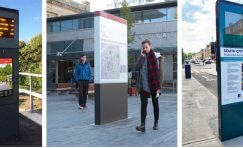
When a passenger knows where to find the shelter, information, crossing point or boarding area, they spend less time trying to understand their surroundings.
This is particularly important for people with visual, cognitive or sensory impairments, but it benefits everyone.
Recent Department for Transport guidance on floating bus stops specifically identifies consistency of design and layout as an important consideration, helping users navigate spaces with greater certainty. (GOV.UK)
A consistent approach across a town, city or transport network can therefore make infrastructure more intuitive and easier to use.
Accessibility benefits everyone
Designing for accessibility does not mean designing exclusively for disabled passengers.
A parent with a pushchair benefits from step-free access. Someone carrying luggage benefits from clear routes and accessible information. Older passengers benefit from seating and comfortable pedestrian connections. Someone unfamiliar with a town benefits from intuitive wayfinding.
Inclusive design can therefore improve the experience of the entire community.
According to The Department for Transport’s research into the accessibility and inclusivity of bus and coach services, published in 2025, examined the barriers and enablers affecting disabled passengers and identified best practices for stops and stations to improve accessibility, inclusivity and personal safety. (GOV.UK)
Building accessibility into the design process
For councils, transport authorities, architects and infrastructure providers, the question should not simply be:
“How can we make this accessible?”
It should be:
“How do we design this so that as many people as possible can use it confidently from the beginning?”
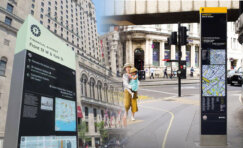
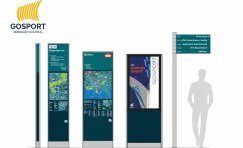
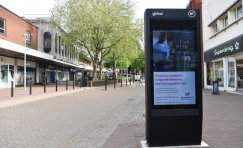
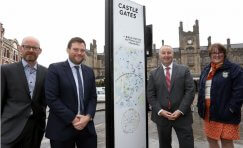
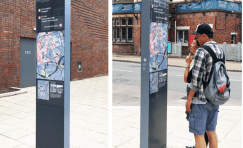
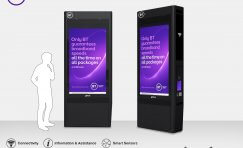
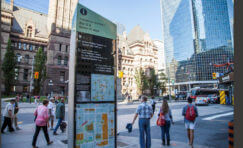
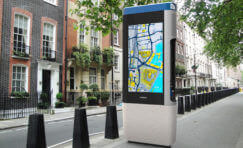
That shift in thinking can influence everything from the initial site layout and shelter design through to signage, wayfinding, passenger information, seating and digital technology.
It also means engaging with the people who will actually use the infrastructure. Understanding lived experiences and involving disabled people in the design process can highlight barriers that may not be obvious from a drawing or specification.
Creating better places for everyone
At Trueform, we believe accessible public transport infrastructure should be designed around the people who use it.
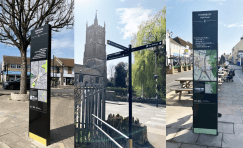
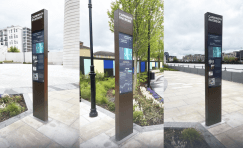
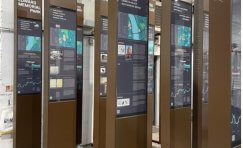
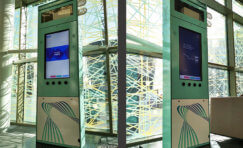
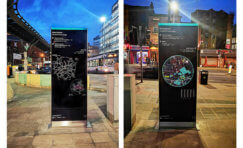
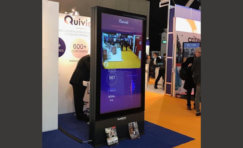
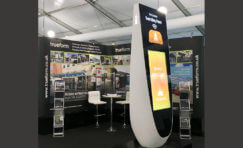
Our work across bus, BRT, rail, wayfinding, digital passenger information and wider urban infrastructure gives us the opportunity to consider accessibility as part of the complete passenger environment.
The goal is not simply to create infrastructure that meets a minimum requirement. It is to create infrastructure that is welcoming, intuitive, comfortable and usable by as many people as possible.
Accessibility should not be something added at the end of a project.
It should be part of the design from day one.