








Wayfinding for Town and City Centres, One Of The Smartest Investments a Council Can Make
Town and city centres are constantly evolving. As local authorities invest in regeneration, active travel and economic growth, one piece of infrastructure is often overlooked despite its ability to influence visitor behaviour, strengthen local identity and support local businesses.
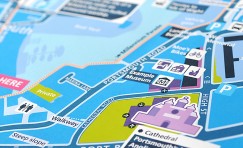
Too often, wayfinding is viewed simply as a collection of signs that help people find their destination. In reality, a well-designed wayfinding strategy is a powerful placemaking tool that shapes how people experience a place, encouraging exploration, increasing footfall and unlocking the full value of a town or city centre.
Navigation Influences Behaviour
Visitors who feel confident navigating an unfamiliar place are far more likely to explore beyond the main streets.
When people can easily locate shopping areas, cultural attractions, parks, transport interchanges, heritage sites and public facilities, they naturally spend more time within the destination. They are also more likely to visit independent retailers, cafés and restaurants that might otherwise remain undiscovered.
This additional movement benefits everyone.
Longer visits increase dwell time, higher footfall supports local businesses, and improved visitor confidence creates a more positive perception of the town or city as a whole.
Wayfinding for town and city centres is therefore not simply about helping people reach a destination, it actively encourages people to discover everything a place has to offer.
Supporting Regeneration and Economic Growth
Many local authorities are investing heavily in regenerating high streets and town centres.
New public spaces, cultural venues, transport improvements and mixed-use developments all contribute towards revitalising communities. However, these investments can only achieve their full potential if people know they exist and can reach them easily.
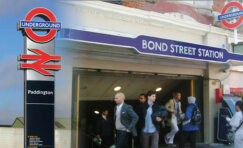
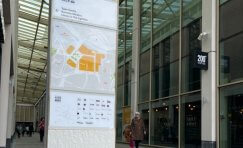
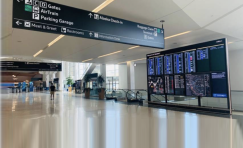
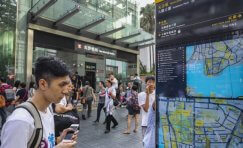
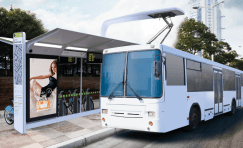
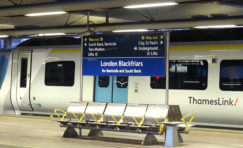
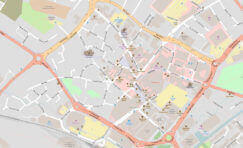
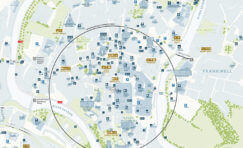
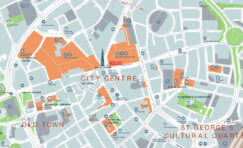
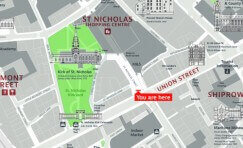
An integrated wayfinding system helps connect destinations across the wider urban environment, encouraging visitors to move between retail districts, leisure facilities, transport hubs and public spaces rather than remaining within a single location.
This increased connectivity creates stronger links between destinations and distributes visitor activity more evenly across the town or city.
The result is a healthier local economy and greater return on investment from wider regeneration projects.
Creating More Walkable Communities
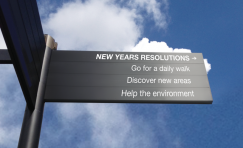
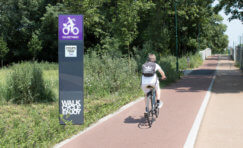
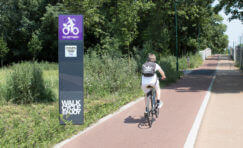
Wayfinding for town and city centres also plays an important role in encouraging healthier, more sustainable travel choices.
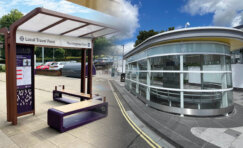
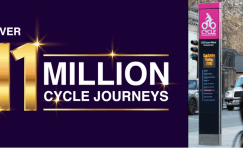
When walking routes are clearly identified and destinations appear achievable, people are naturally encouraged to walk further rather than relying on private vehicles for short journeys.
Effective pedestrian wayfinding supports:
- Active travel initiatives
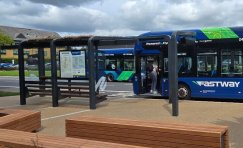
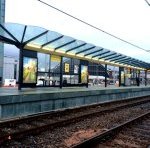
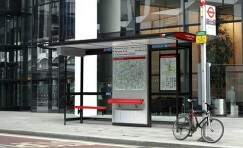
- Public transport integration
- Reduced traffic congestion
- Improved accessibility
- Better public health outcomes
- Lower carbon emissions
By helping residents and visitors navigate confidently on foot, councils can create more connected and sustainable communities.
Reinforcing Local Identity
Every town and city has its own unique history, culture and architectural character.
Wayfinding for town and city centres should reflect this identity rather than simply providing functional information.
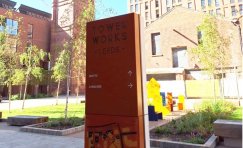
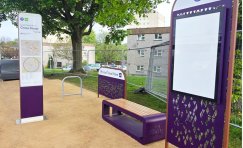
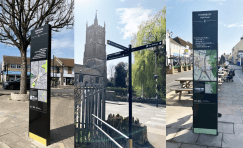
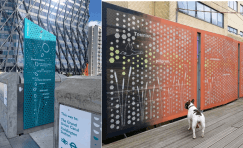
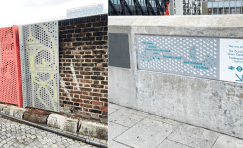
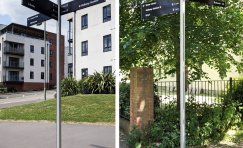
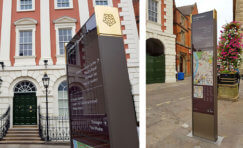
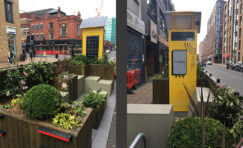
Thoughtfully designed signage can incorporate local materials, colours, typography and heritage references to create a cohesive visual language that strengthens a sense of place.
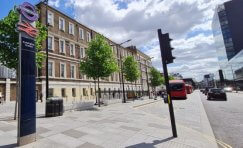
Instead of appearing as standard street furniture, wayfinding becomes part of the public realm, enhancing streetscapes while reinforcing civic pride and creating memorable visitor experiences.
Wayfinding as Essential Infrastructure
Just as transport infrastructure connects people physically, wayfinding connects destinations visually.
It improves accessibility, supports tourism, strengthens local economies and helps visitors experience a place with confidence.
As towns and cities continue to compete for visitors, investment and economic activity, wayfinding should no longer be considered an optional enhancement.
It should be recognised as essential infrastructure that supports regeneration, placemaking and sustainable mobility for decades to come.
The Trueform Approach
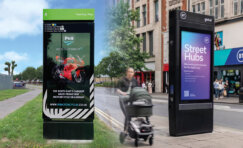
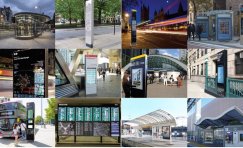
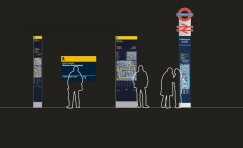
At Trueform, we design and manufacture integrated wayfinding solutions that combine exceptional design, durable engineering and intelligent information systems.
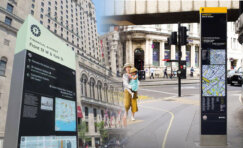
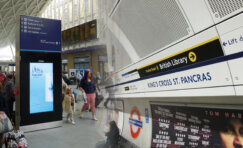
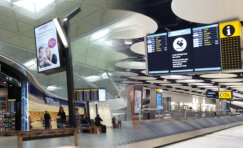
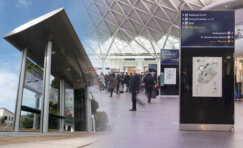
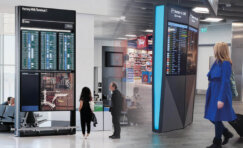
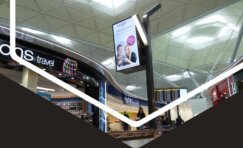
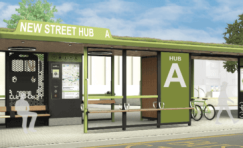
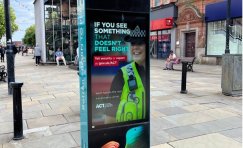
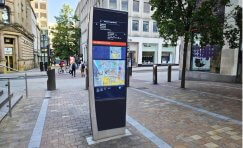
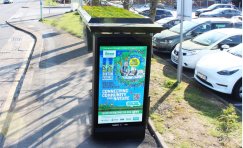
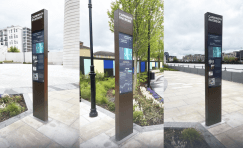
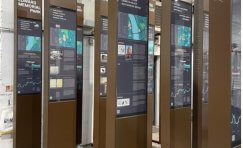
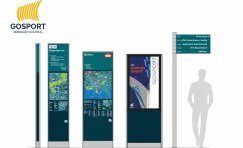
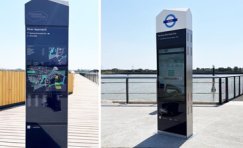
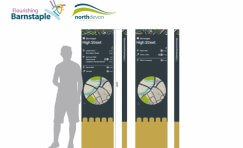
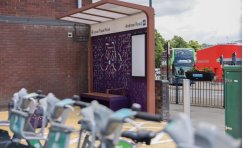
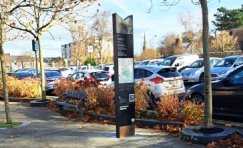
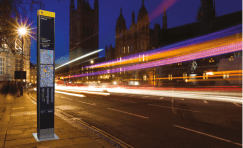
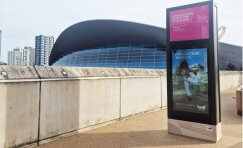
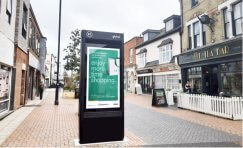
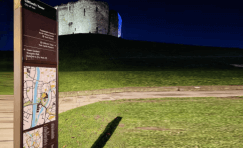
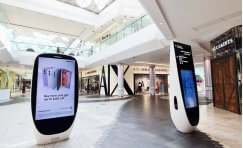
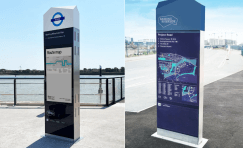
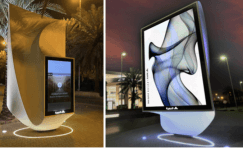
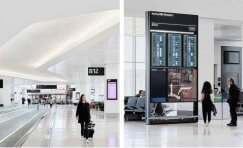
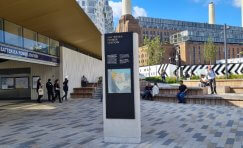
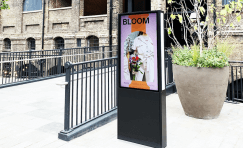
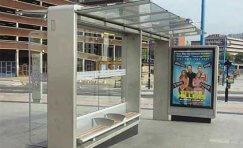
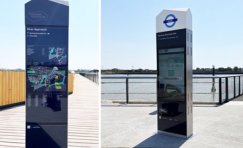
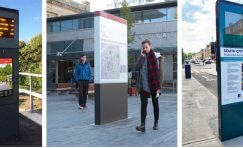
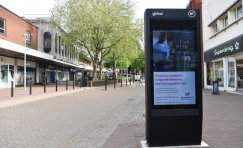
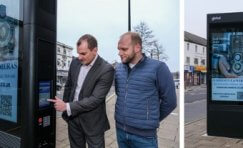
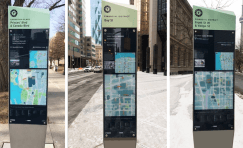
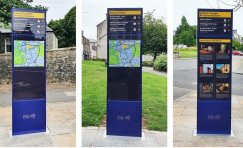
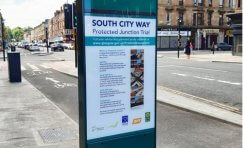
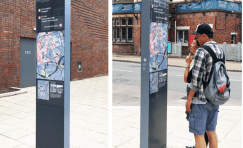
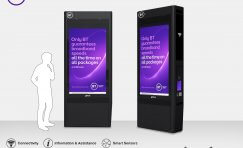
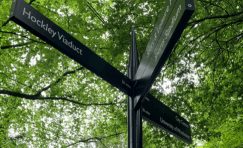
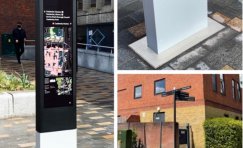
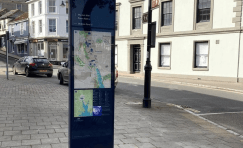
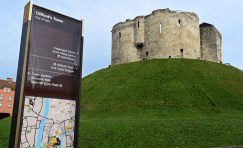
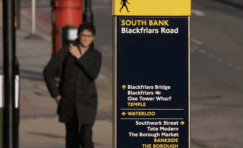
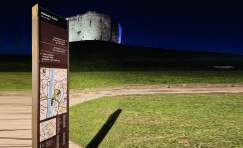
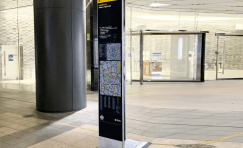
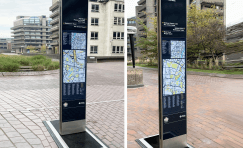
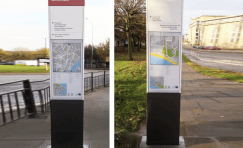
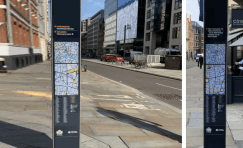
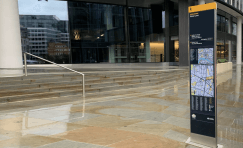
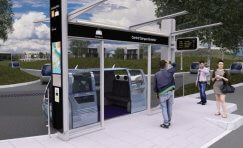
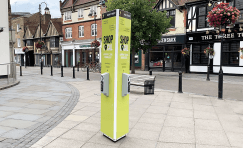
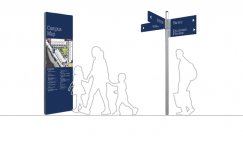
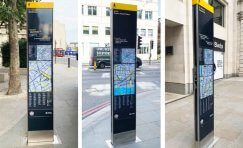
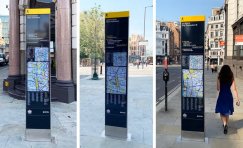
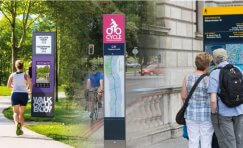
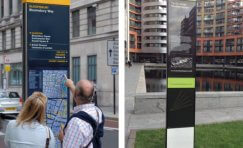
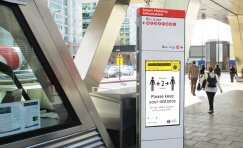
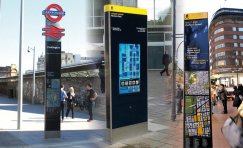
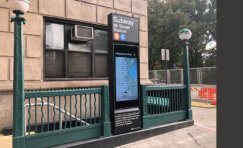
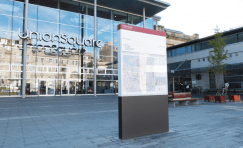
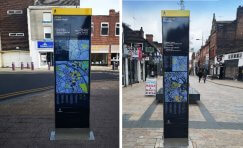
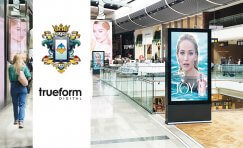
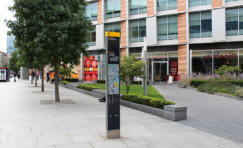
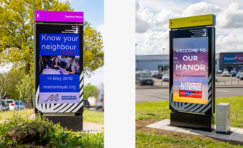
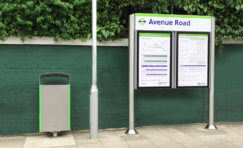
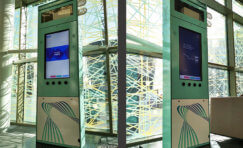
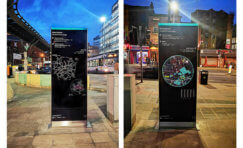
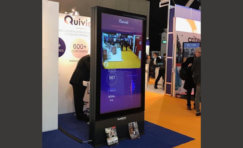
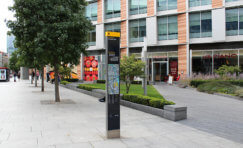
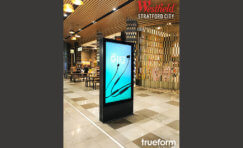
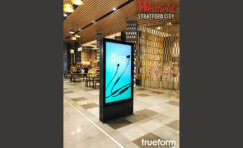
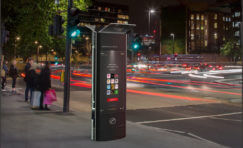
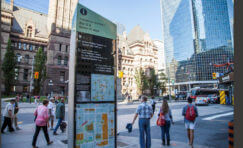
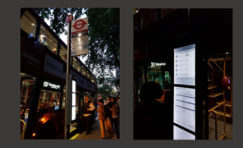
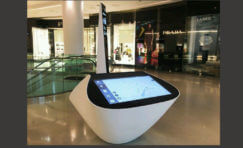
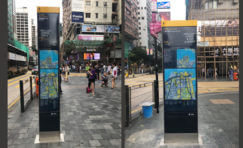
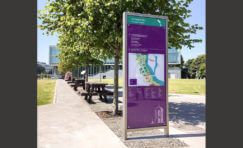
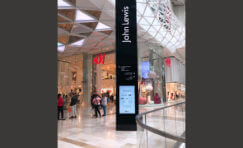
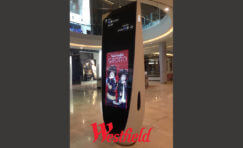
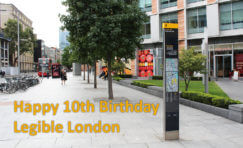
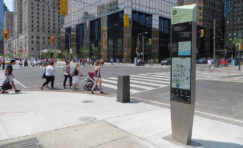
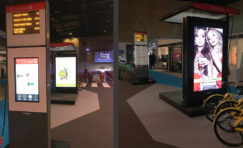
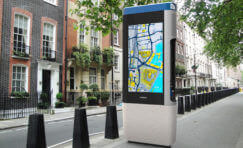
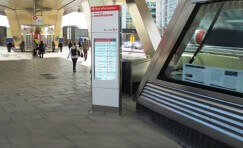
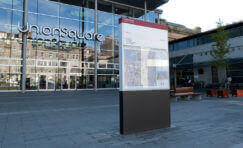
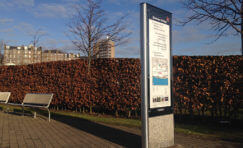
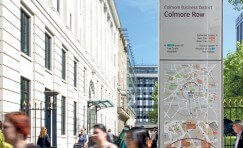
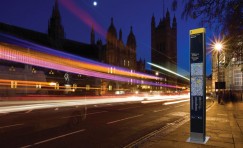
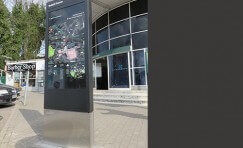
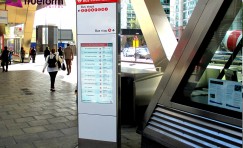
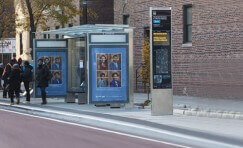
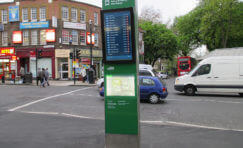
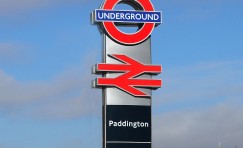
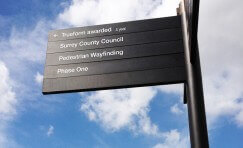
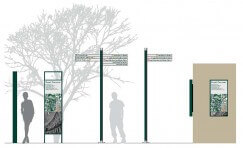
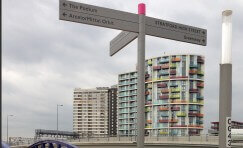
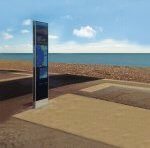
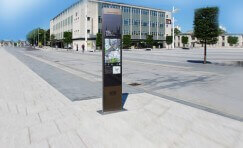
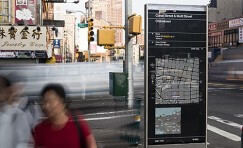
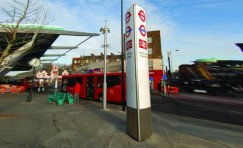
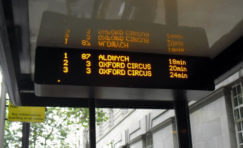
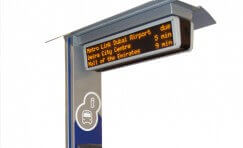
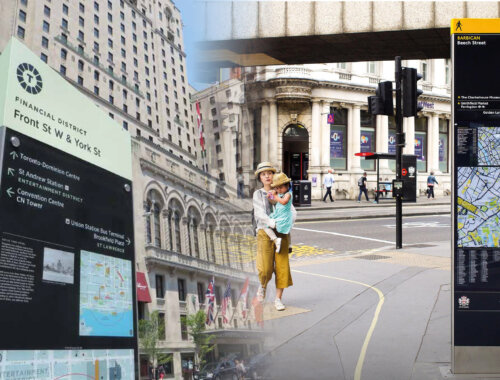
From pedestrian fingerposts and monoliths to illuminated signage, digital wayfinding displays and fully integrated public realm solutions, our infrastructure helps people navigate confidently while enhancing the character of the environments in which they are installed.
Because successful wayfinding does more than point people in the right direction.
It helps create places people want to explore, businesses that thrive and communities that flourish.
Discover more about Trueform’s integrated wayfinding solutions at:
https://www.trueform-signage.com/