







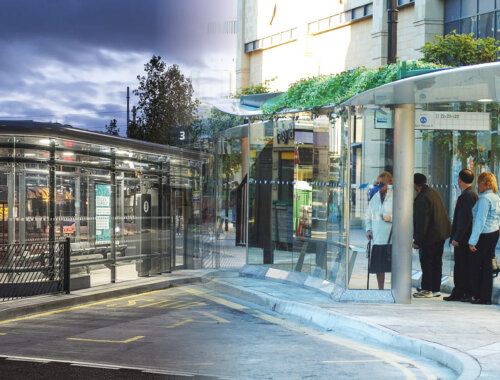

Why Better Bus Shelters Increase Public Transport Ridership
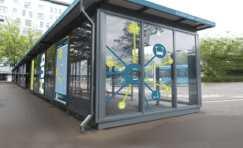
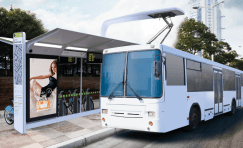
Bus shelters increase public transport ridership by creating safer, more comfortable and welcoming waiting environments, yet they are often viewed as simple roadside infrastructure. In reality, their influence on passenger perceptions and transport choices is far greater than many realise.
The quality of the waiting environment directly shapes how people perceive public transport. Before a passenger steps onto a bus, they have already formed an opinion of the journey based on the stop itself. Is it somewhere they feel comfortable waiting? Does it feel safe, modern and welcoming? Does it reflect a transport system they want to be associated with?
These questions matter because public transport is competing against the convenience, comfort and status of private vehicle ownership. If authorities want more people to leave their cars at home, the experience of waiting for public transport must become significantly more attractive.
First Impressions Shape Transport Choices
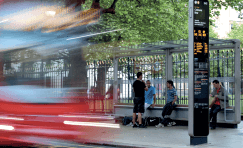
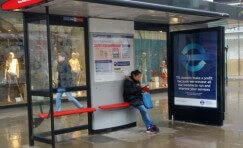
For many passengers, the bus shelter is their first interaction with the transport network. It serves as a physical representation of the service itself.
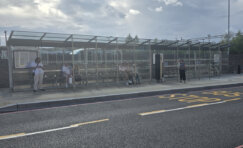
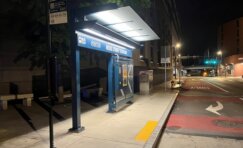
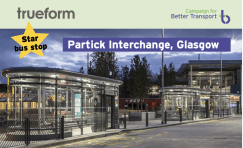
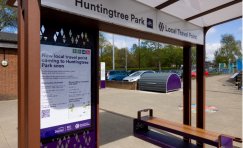
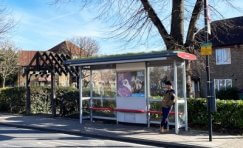
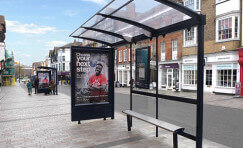
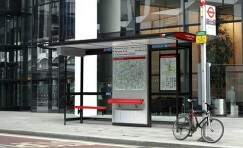
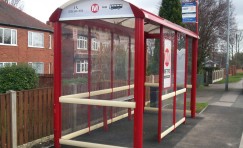
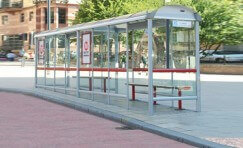
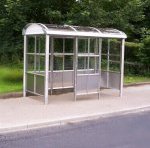
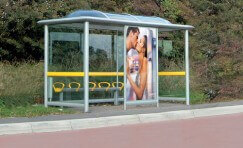
A dated, poorly maintained shelter can create the impression of an unreliable, outdated system. In contrast, a modern, well-designed shelter communicates investment, care and confidence. It tells passengers that public transport is valued and that their experience matters.
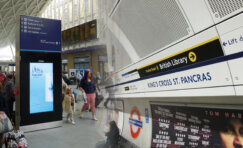
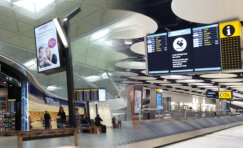
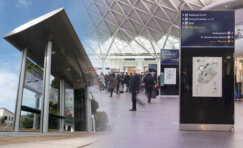
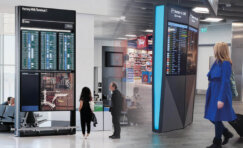
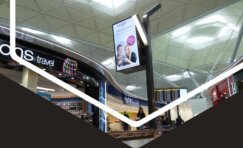
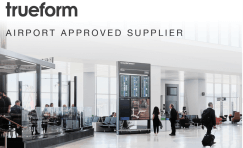
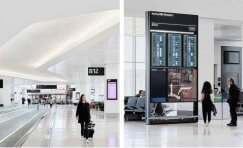
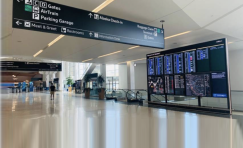
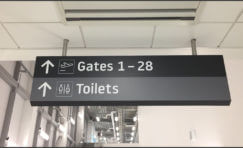
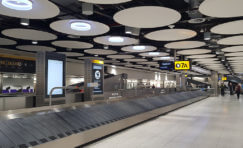
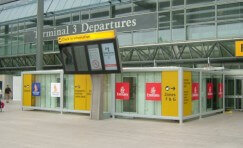
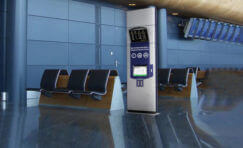
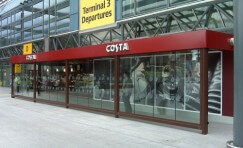
Just as airports, rail stations and modern mobility hubs are designed to create positive passenger experiences, bus infrastructure should be considered part of the overall customer journey rather than simply a functional necessity.
Public Transport Must Become Aspirational
One of the greatest challenges facing public transport is perception.
People rarely compare a bus stop with another bus stop. Instead, they compare it with the experience of sitting in their own vehicle, travelling through an airport terminal or waiting within a modern rail station.
Private vehicles offer comfort, shelter, personal space and a controlled environment. To encourage modal shift, public transport infrastructure must work harder to provide an experience that feels desirable, modern, appealing and in keeping with modern expectations.
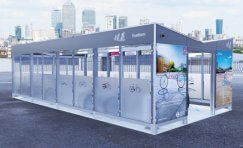
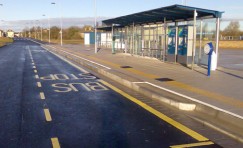
This means moving beyond the traditional concept of a basic roadside shelter and creating environments that passengers actively want to use. Meaning investing in bus shelters increase public transport ridership for councils and local authorities.
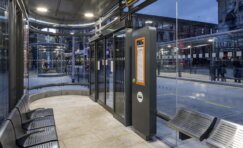
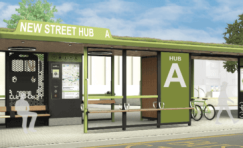
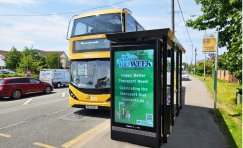
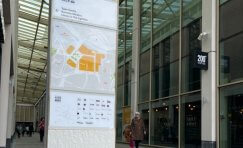
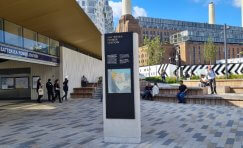
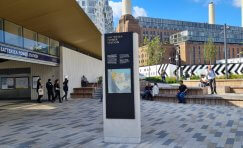
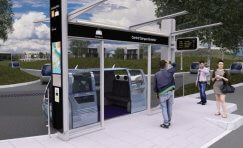
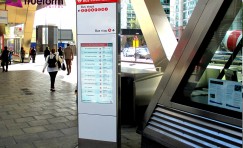
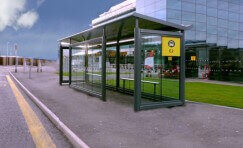
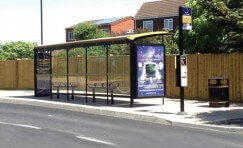
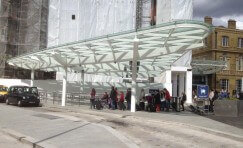
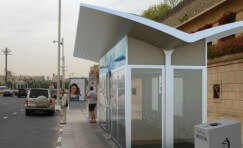
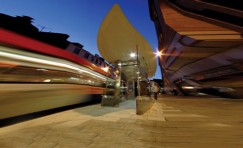
Modern shelter design can help transform public perception by creating spaces that feel welcoming, contemporary and integrated within the wider public realm.
Creating Places People Want to Be
The most successful public transport infrastructure does more than protect passengers from the weather.
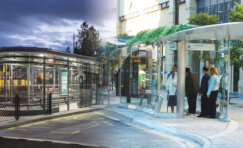
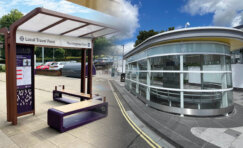
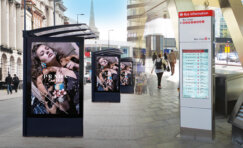
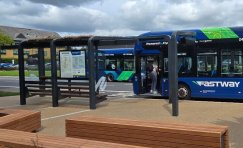
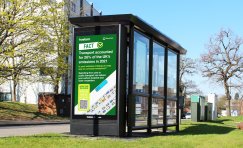
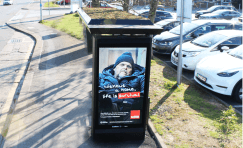
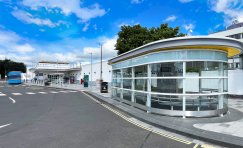
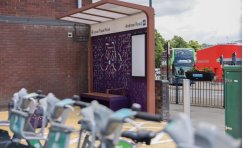
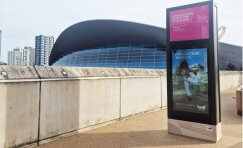
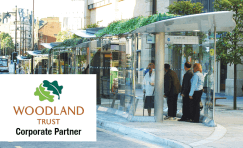
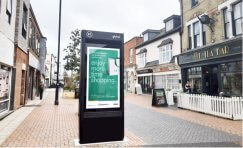
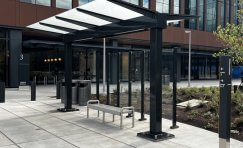
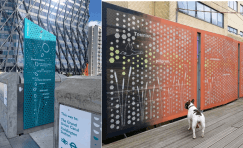
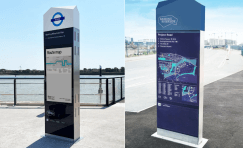
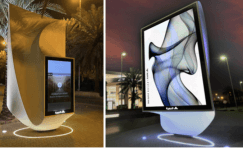
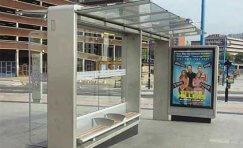
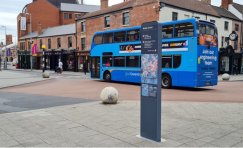
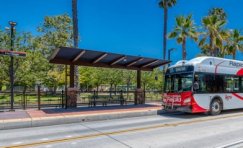
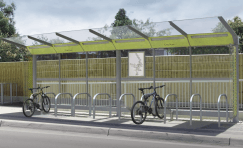
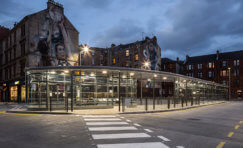
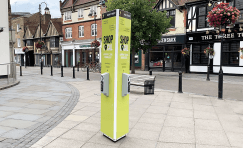
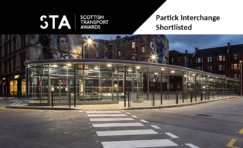
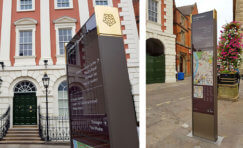
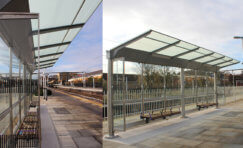
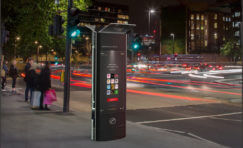
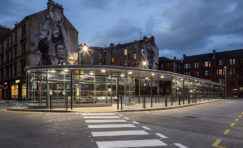
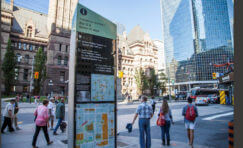
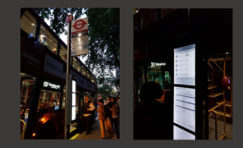
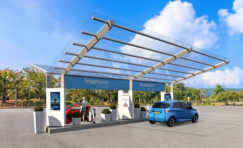
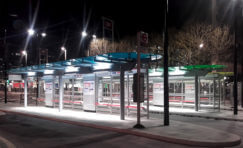
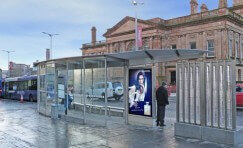
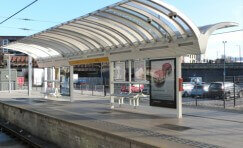
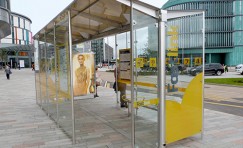
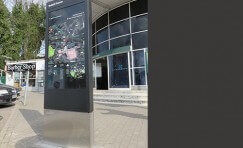
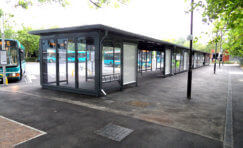
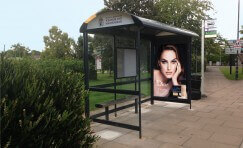
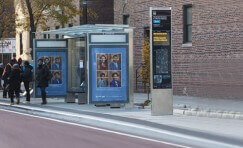
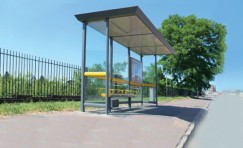
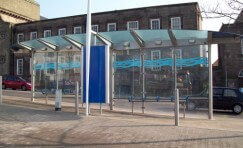
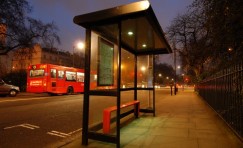
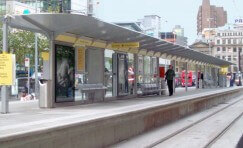
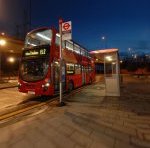
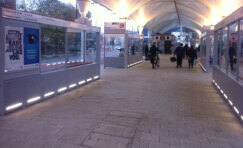
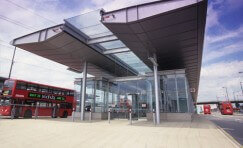
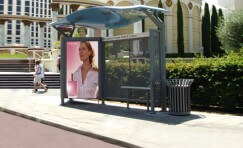
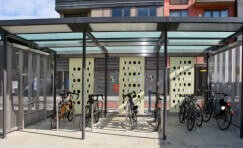
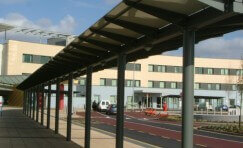
High-quality shelters create attractive waiting environments that become positive features within streetscapes, town centres and transport corridors. Thoughtful design, premium materials, architectural quality and attention to passenger comfort all contribute to a more positive experience.
When infrastructure feels cared for and visually appealing, passengers are more likely to feel confident using the network. This confidence helps encourage repeat use and supports long-term ridership growth.
Simply put, people are more likely to use public transport when they enjoy being there.
Supporting Wider Transport and Sustainability Goals
Local authorities across the UK are investing heavily in sustainable transport strategies designed to reduce congestion, improve air quality and encourage modal shift away from private vehicles.
However, increasing bus services alone is often not enough.
Passengers must also be provided with an environment that supports these ambitions. If the waiting experience remains unattractive, uncomfortable or disconnected from modern expectations, public transport will continue to struggle against the convenience of private vehicles.
Investment in high-quality roadside infrastructure should therefore be viewed as a critical part of wider transport planning rather than a secondary consideration.
The Future of Bus Infrastructure
As cities continue to evolve, expectations of public transport infrastructure will continue to rise.
Passengers increasingly expect the same quality of environment they experience elsewhere in their daily lives. They expect infrastructure that is attractive, comfortable, accessible and reflective of modern urban environments.
The future of bus shelter design lies in creating infrastructure that elevates the passenger experience, strengthens the identity of transport networks and encourages more people to choose sustainable travel.
Creating Better Journeys Through Better Infrastructure
Improving public transport ridership starts long before a passenger boards a vehicle.
By creating attractive, aspirational and passenger-focused waiting environments, councils and transport authorities can help change perceptions of public transport and encourage greater use of sustainable travel options.
At Trueform, we believe transport infrastructure should do more than provide shelter. It should enhance the public realm, improve passenger experience and create environments that people actively want to use.
Because when public transport feels better, more people choose it.